
SOLD OUT
For shooting
This section holds everything that helps you shoot straight and safely, in the field and at the range: rests and shooting sticks, ear and eye protection, ballistic weather meters, and clay throwers for practice. Built for hunters and sport shooters preparing every shot.
SOLD OUT
SOLD OUT
SOLD OUT
SOLD OUT
SOLD OUT
SOLD OUT
SOLD OUT
SOLD OUT
SOLD OUT
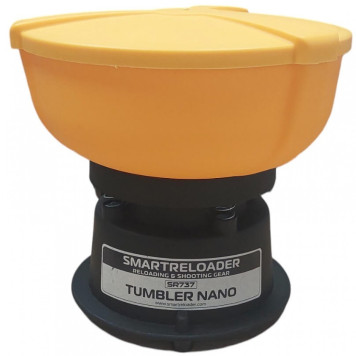
SMART RELOADER
Out of stock
Case Tumbler SmartReloader SR737 Nano Pro 220V (VBSR005-71)
€49.99
Notify me
SOLD OUT
SOLD OUT
For shooting
A good shot starts long before the animal steps into your sights. Your hand needs a steady rest, your ears need protection from the blast, your eyes need a shield from branches and debris, and the wind needs to be read correctly so the bullet lands where you planned. This section gathers the gear that gets you ready to shoot, from a long wait in a high seat on a cold evening to a driven hunt moving through winter cover. All 154 products here are grouped into six categories, so you can find the right piece without hunting through everything at once.
What you'll find in this section
The section covers five main groups: rests for the rifle, ear and eye protection, weather instruments, and practice gear. Each group solves one specific problem you run into in the field or at the range.
Shooting rests and sticks
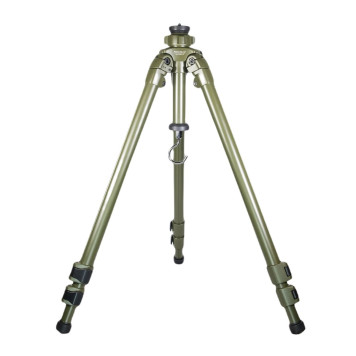
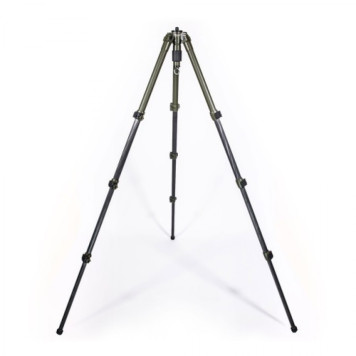
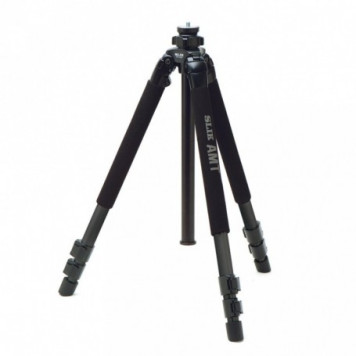
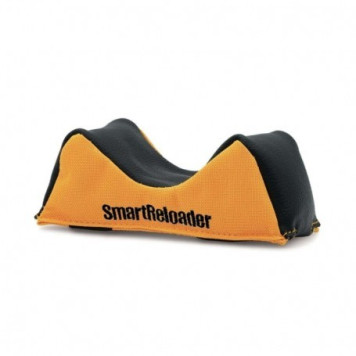
The largest group here is shooting rests and sticks, including monopods, bipods, and tripods. They hold the rifle steady through long hours in a high seat or steady it fast when game appears suddenly at a field edge. A monopod suits quiet, mobile stalking and quick stops; a tripod suits long, motionless waits where you need a firm point without hand tremor.
Ear protection
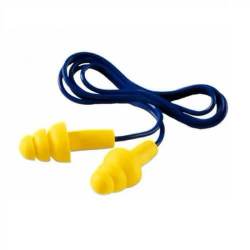
Ear protection shields your hearing from the blast, and electronic models actively amplify surrounding sound, footsteps, a branch cracking, another hunter's voice, while cutting the shot itself. This matters on a driven hunt, where shots come repeatedly in a short span, and just as much during range practice.
Shooting safety glasses
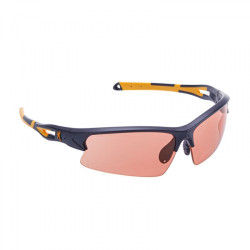
Shooting safety glasses guard your eyes against debris, branches, and dust, and clay-shooting models come with interchangeable lenses for different light. They earn their place both at the range and moving through dense undergrowth, where a branch can catch your face without warning.
Ballistic weather meters
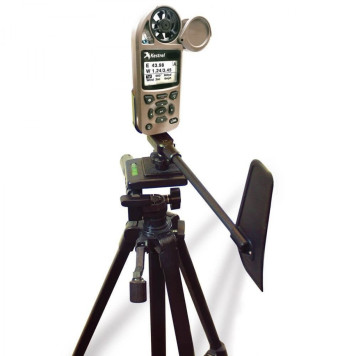
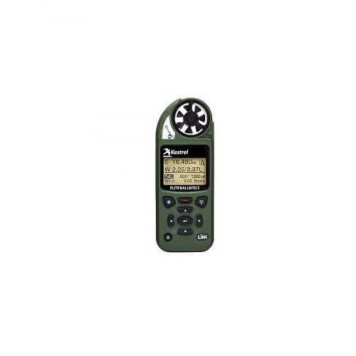
Ballistic weather meters read wind speed, temperature, pressure, and humidity, and some models turn those readings straight into a bullet drop and drift calculation. At longer range, even a light crosswind shifts the point of impact, so this reading is a working tool, not an extra.
Throwers and throwing plates
Throwers and throwing plates are built for clay practice, hand-held and stand-mounted models that launch clays at a consistent speed. Regular practice against a moving target carries straight over to a real hunt, where game rarely waits at a convenient angle.
For anything outside these groups, check other shooting accessories, a category holding scales, an alcohol tester, and a handful of other small but practical items.
How to pick a rest for the way you hunt
The right rest depends on how long you wait and how fast you need to react: a static wait in a high seat calls for a firm tripod or bipod, while stalking or a sudden opportunity calls for a light monopod.
In a high seat or hide, where you sit motionless for hours, a tripod gives the firmest base and cuts hand fatigue when you hold on target for a long stretch. On a driven hunt or moving along a field edge, you need a monopod you can plant in seconds and pick up just as fast. Height-adjustable sticks work for both if you hunt varied terrain and don't want to carry more than one rest.
Why ear and eye protection matters for every shooter
Hearing damaged by a shot's blast does not come back, and poor hearing makes it harder to track game or catch a fellow hunter's signal in the field, so ear protection belongs at every shooting occasion, not only at the range.
Electronic ear protection lets you hear your surroundings and talk with other hunters while still cutting the blast itself, useful on a driven hunt where you need to catch signals between stands. Glasses protect not just at the range from debris but also while moving through brush, where a branch can catch your face without warning. Both cost little next to what they protect.
How wind and weather change a long shot
A crosswind pushes the bullet off its line, and temperature and pressure change its speed, so at longer range it pays to read these conditions before you pull the trigger, not after.
A weather meter shows wind speed and direction within seconds, and a ballistic calculator turns that reading into a concrete scope adjustment. This matters most shooting across an open field or along a treeline, where wind often differs between your position and the animal's. Checking before every long shot becomes a quick habit fast, a few seconds once you've done it a handful of times.
Browse shooting rests and sticks, ear protection, safety glasses, ballistic weather meters, throwers and throwing plates, and other accessories, and pick what your setup is missing. If you're unsure which model fits how you hunt, write to us and we'll help you choose.