
Shooting Rests & Sticks
An accurate shot starts from a stable position. Here you will find monopod, bipod, tripod and quad shooting rests, rest bags and tripod heads from Huntera, Blaser, Caldwell, ShadowTech and other makers, for stalking hunts and range work alike.
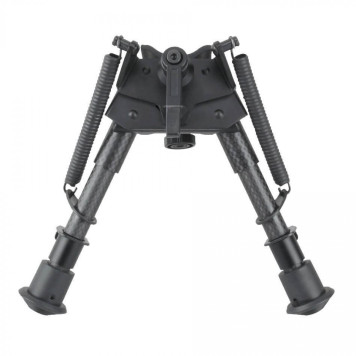
VECTOR
In stock
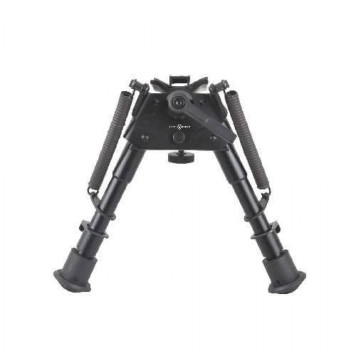
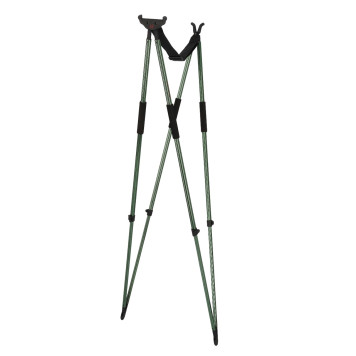
Support legs for the weapon Vectoroptics carbon fiber swivel spring retractable
€89.00
Shooting Rests & Sticks
A shooting rest is the cheapest accuracy upgrade you can make without touching your rifle or optics. A gun held freehand wobbles even in experienced hands. Rested on sticks or a tripod, it settles enough to track the animal calmly and break the shot at the right moment. This category holds more than 50 products: light shooting sticks for stalking, solid tripods for stand hunting and rest bags for zeroing your rifle.
Types of shooting rests
Rests are grouped by leg count: a monopod is the lightest and fastest to deploy, bipods and tripods are steadier, and quad sticks hold the rifle most firmly at the cost of weight. More legs mean less side-to-side movement, but also more time spent setting up and packing down.
Monopod sticks
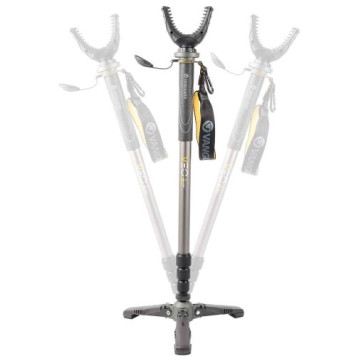
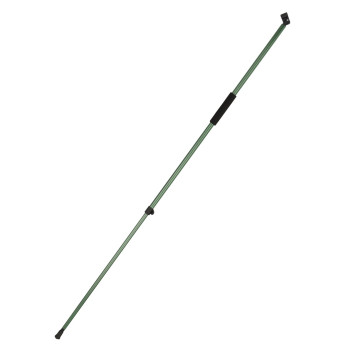
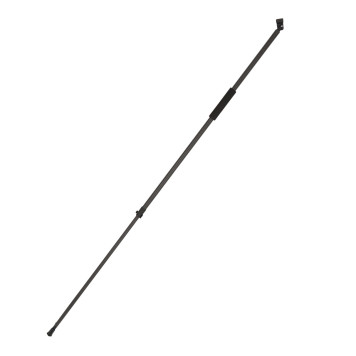
The lightest option, ready in seconds, which makes it the pick for mobile stalking where a shot window lasts a moment. It adds less stability than the other types, yet it cuts vertical wobble noticeably. Here you will find the Huntera GEN4 monopod and the Vanguard VEO 2 AM-234TU, which doubles as a walking staff.
Bipods and two-leg sticks
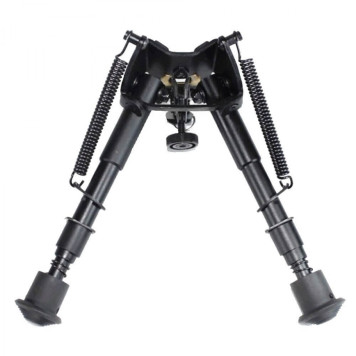
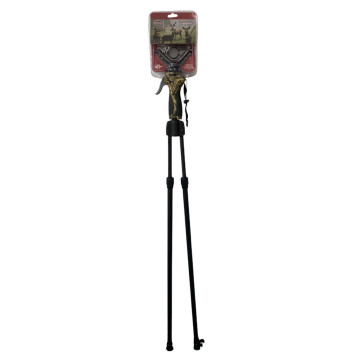
A second leg removes lateral sway as well, at little extra weight. That makes it a sound compromise for a hunter who covers long distances but wants calmer aiming. Rifle-mounted folding bipods are a group of their own: the Vector Optics spring models come in aluminum or carbon fiber and fold flat against the stock when not needed.
Tripod sticks
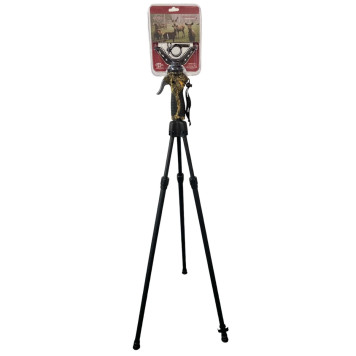
The most popular type. Three legs control movement both sideways and fore-aft, so you can shoot standing, kneeling or seated. We stock the Huntera GEN4 tripod, ShadowTech PIG series tripods with a rifle saddle, and the Vanguard Quest T62U.
Quad sticks
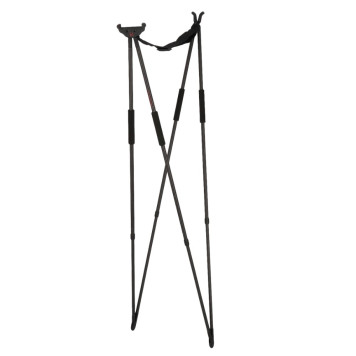
Four legs grip the rifle firmly enough to swing on a moving animal without lifting the gun off the rest, which is why driven-hunt shooters favor them. Choose the aluminum Huntera HAT304GR, the lighter carbon HAT204C, or the 4StableStick Bush Light, a common sight among Blaser owners.
Shooting rest bags
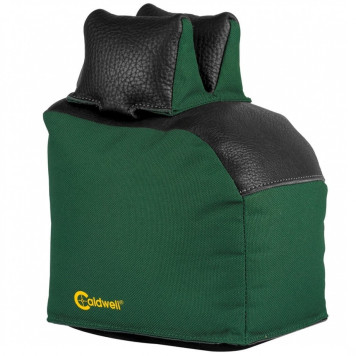
A rest bag is made for shooting from a fixed position: zeroing a rifle at the range, checking optics after a knock or a scope swap, or shooting off a high-seat rail. Placed on a hard surface, the bag soaks up recoil and holds the gun still with nothing to adjust.
The widest choice comes from Caldwell and SmartReloader: the Caldwell TackDriver and DeadShot Front sit under the fore-end, while the SmartReloader line covers front bags, rear stock bags and the SR300 set that supports both ends of the rifle at once. If you prefer leather, take the AKAH bag; if you need something compact for a backpack, the HIGH SPEED GEAR Sniper Sack fits the bill.
Tripod heads, saddles and adapters
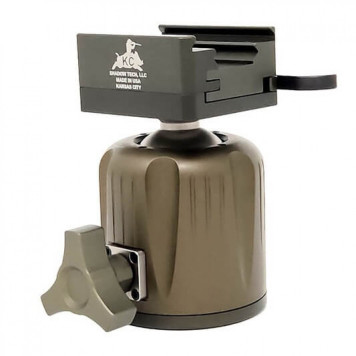
The right head turns a photo or hunting tripod into a shooting platform. PIG Saddle and HOG Saddle MOD7 clamps grip the rifle stock, so the gun stands on the tripod without your hands, which saves real effort during a long sit. The adjustable Sunway XB-44G head lets you pan and tilt the rifle evenly, the Spartan Javelin adapter fits bipod mounts to different guns, and spare Huntera legs will serve owners of quad sticks.
Brands in this category
The Huntera GEN4 line covers all four rest types, so you can pick purely by weight and price, and a lost or broken leg is replaceable as a separate part. Blaser accessories are built for owners of that brand: the bipod legs attach straight to the R8 stock with no adapter in between.
Caldwell and SmartReloader make range equipment, and their rest bags are bought for zeroing and grouping tests. ShadowTech saddles and tripods come from the professional shooting world, so PIG and HOG series gear carries more weight than typical hunting models. Vanguard is known first as a photo tripod maker and uses the same leg construction in its shooting rests. If you already own a sturdy camera tripod, add a rifle saddle and you have a complete shooting platform.
Shooting positions with a rest
A rest works in three basic positions, and each favors a slightly different type and height.
Standing
The usual position on driven hunts and while stalking, because it is the quickest to react from. A tripod or quad stick raised to chin height performs best here.
Kneeling
Your silhouette drops and the shot steadies, since body weight rests on three points. A bipod shortened by roughly a meter is enough.
Seated
From a high seat or a blind, a low-set stick or a rest bag on the rail does the job best.
Technique basics
Worth practicing before the season. Place the fore-end in the yoke at the balance point, not near the muzzle. Load the rifle gently forward so the sticks take tension, which trims the wobble further. Breathe calmly and press the trigger on the exhale, the same as without a rest.
Common first-buyer mistakes
A few repeat mistakes turn a rest into a dust collector, and each one is easy to avoid.
- Buying sticks that are too short. For a tall hunter a 160 cm stick means hunching in the standing position, and accuracy goes with it.
- Carrying a heavy tripod on a stalking hunt. After five kilometers it stays in the car, and the shot opportunity arrives with no rest at hand.
- Not testing the leg locks with gloves on. In winter, small latches become unusable, so try the mechanism in thick gloves before you buy.
- Deploying the sticks for the first time on the hunt itself. A few practice runs at home make the motion automatic, leaving your eyes on the animal while your hands work.
How to choose a shooting rest
Five things decide the purchase: hunting style, height range, weight, quiet locks and load rating.
- Hunting style. When stalking, every gram counts, so take a monopod or bipod. On driven hunts or open-ground ambushes stability beats weight, and a tripod or quad stick serves better.
- Height. For standing shots the rest must reach at least your chin, otherwise you bend over and your aim drifts as you tire. Check the minimum height too if you plan to shoot seated or from cover.
- Weight and material. Carbon rests are lighter than aluminum ones but cost more. For a hunter who walks far the difference on the shoulder pays off, while a tripod kept in a high seat can afford to be heavy.
- Leg locks. Legs must open fast and quietly. A loud click 50 meters from an animal means a ruined hunt, so test the locks before buying.
- Load rating. A rifle with a night vision or thermal scope weighs far more than one with day optics. For such a setup pick a heavier tripod or quad stick and a solid head.
For the range you will also want hearing protection and safety glasses, and for long-range corrections a ballistic weather meter helps. All shooting accessories live in the For shooting category. If you are torn between a few models, write to us and we will advise based on your rifle, optics and hunting style.