
Tactical vests
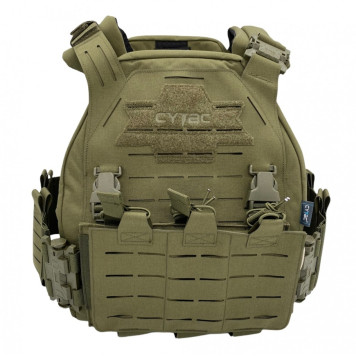
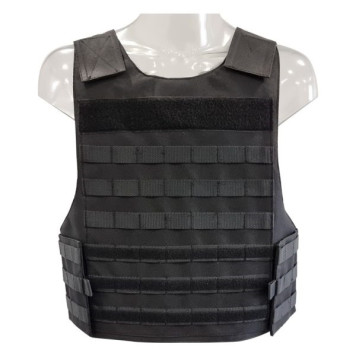
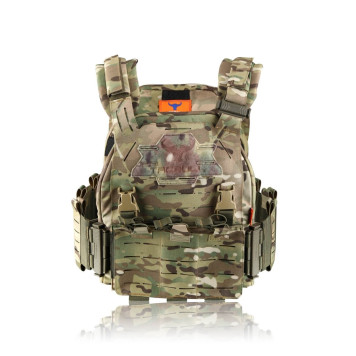
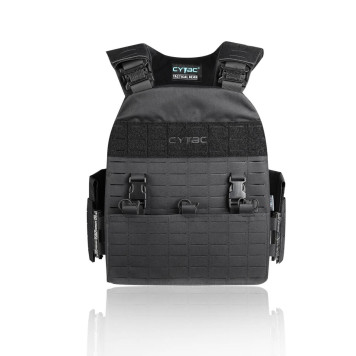
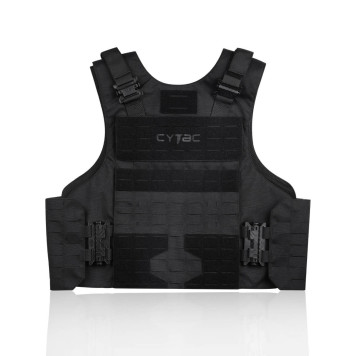
Tactical vests for hunters, sport shooters and self-defense use: plate carrier platforms with MOLLE webbing. The range holds the Tactical, Utility and Mission-Oriented Plate Carrier models, a black Carrier vest and the camo TB-TPCSF version.
-42%
SOLD OUT
SOLD OUT
Tactical vests
On a driven hunt or at the range you need magazines, a radio, a knife and a first aid kit within reach, but a backpack gets in the way and jacket pockets are slow. The tactical vests in this category are plate carrier platforms with MOLLE webbing: you attach only the gear a given day in the forest, on the range or on a security shift calls for, and reach all of it without taking anything off your back.
What a plate carrier is and who it serves
A plate carrier is a tactical vest built to hold ballistic plates, yet hunters and sport shooters mostly use it as a load-bearing platform. Front and rear pockets accept plates, while MOLLE rows let you mount magazine, radio or medical pouches where your hands find them without looking. On a driven hunt that means free hands and cartridges at your chest when game breaks cover without warning. In sport shooting practice the vest lets you drill magazine changes with the same setup you carry in the field. Since this category sits in the self-defense section, the same models suit security work and tactical training as well.
Models in this category
The category holds five tactical vests: three TB-series plate carriers (Tactical, Utility and Mission-Oriented), a black Carrier vest and the camo Plate Carrier TB-TPCSF. All work on the same principle and differ in purpose emphasis and color, so choose by how much gear you carry and where you move.
Tactical Plate Carrier TB-TPCSG
A classic plate carrier layout with MOLLE webbing front and rear. It works as a first tactical vest for a shooter who wants one platform for both hunting and range days: magazine pouches go on the chest, the medical kit on the side.
Utility Plate Carrier TB-TPCM
A load-focused model with more room for accessories, aimed at those who carry a radio, spare magazines and game-dressing tools through a driven hunt. A sound pick for a hunt leader or beater who handles a lot of small gear over a long day.
Mission-Oriented Plate Carrier TB-TPCL
A vest you reconfigure by task: a minimal setup for a still hunt one day, a full driven-hunt loadout the next. The MOLLE system lets you move pouches around in minutes at home rather than in the forest.
Carrier, black
The black tactical vest is meant first for self-defense, security and training scenarios where camouflage adds nothing. On the range, black is practical and hides oil and powder residue better than light fabrics.
Plate Carrier Camo TB-TPCSF
The camo version for the hunter: the pattern breaks up your outline against a forest background, so the vest matches concealment clothing when you sit in ambush or stalk. Same MOLLE principle, with a finish picked for the woods rather than the range.
How to choose a tactical vest
Five things matter most when picking a tactical vest: size adjustment, MOLLE real estate, color for your terrain, weight and compatibility with the rest of your clothing. Check them in this order so the vest does not rub your shoulder after recoil, block you in a high seat or fight your winter jacket.
- Try it on over the clothing you hunt in: the vest must adjust over a t-shirt in summer and over thick layers in December.
- Count the gear you actually carry and confirm the MOLLE rows hold it without crowding.
- Pick the color by primary use: camo for the forest, black for the range, training and security work.
- Judge the weight with a full loadout, because after five hours of a driven hunt every kilogram on your shoulders feels doubled.
- Confirm the rifle stock seats on your shoulder with the vest loaded: a magazine pouch on your shooting side must not block your mount.
Practical advice for the field
A vest only works well when the gear layout follows your shooting hand and the way you move. Before the season, put on the full setup, walk, kneel, repeat a magazine change and fix the pouches in place only after that. A few rules prevent the most common mistakes in the forest.
- Mount the medical pouch where both hands reach it, since one hand may be occupied if you are injured.
- Keep the radio on your non-shooting side so the cable or antenna stays clear of the stock.
- Tidy loose strap ends: a flapping strap makes noise while stalking and snags on branches.
- On driven hunts wear high-visibility elements on or over the vest, as safety rules require.
- After a wet day, dry the vest with the pouches removed so straps and webbing do not hold moisture and scent.
The self-defense section covers more equipment: telescopic batons, pepper spray and stun guns round out a tactical kit. If you are unsure which plate carrier fits your style of hunting, write to us and we will advise.