
Rangefinders
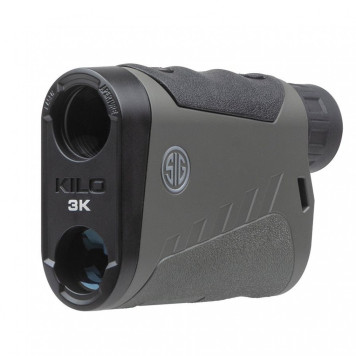
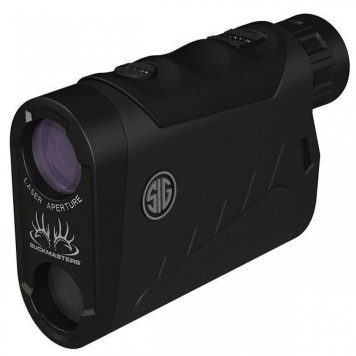
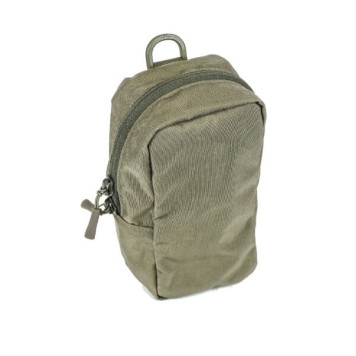
A rangefinder gives hunters an instant, exact distance to game before the shot. This category has Sig Sauer KILO series laser rangefinders, including BDX and LRF models, plus Terrapin X carrying cases.
SOLD OUT
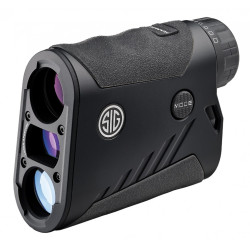
SOLD OUT
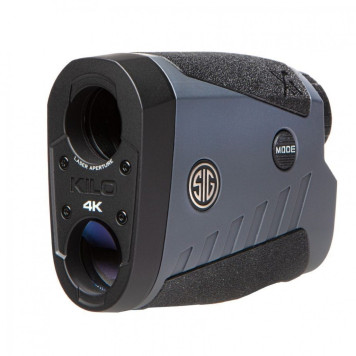
SOLD OUT
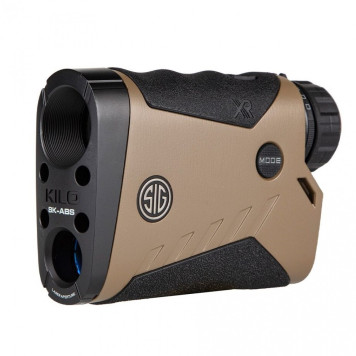
SOLD OUT
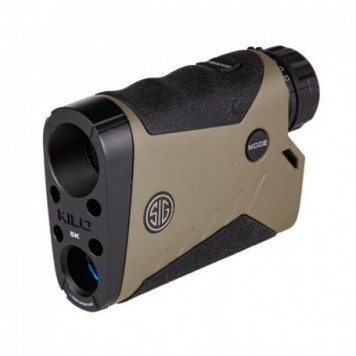
SOLD OUT
Rangefinders
Before you shoot, you need to know the exact distance to the animal, that decides where the bullet lands. A rangefinder gives you that number in a second, no guessing and no extra math in the field. This category has Sig Sauer KILO series laser rangefinders and their carrying cases, built for a high seat, a driven hunt or a session at the shooting range.
What a rangefinder does for a hunter
A rangefinder sends out a laser beam that bounces off the target and returns in a fraction of a millisecond. For you that means a fast, accurate call on whether the animal is within range and what bullet drop compensation to apply. From a high seat or at the edge of a field, distance is deceptive, the eye misjudges it, especially at dusk or in fog. Laser measurement removes that error and cuts the risk of a poor hit.
Unlike binoculars, a rangefinder is not built for long glassing sessions. You use it briefly, to confirm a number right before the shot. Many hunters carry it alongside binoculars or a riflescope and switch between the two depending on the situation.
Types of rangefinders in this category
The rangefinders here differ in maximum range, optical magnification and added ballistic features. Which one fits you depends on whether you hunt forest, open field, or spend most of your time at the range.
Compact rangefinders for everyday carry
The Sig Sauer KILO1600 BDX is a compact 6x22 mm unit, small enough for a jacket pocket or a belt pouch through a full day in the field. It is built for a quick range check right before the shot, when you cannot afford to fumble with settings.
Rangefinders with ballistic correction (BDX and LRF)
The KILO3K, KILO4K and KILO5K LRF models calculate distance and also feed ballistic data for the shot correction. That matters on hilly ground, where shot angle needs accounting for, or on longer shots during a driven hunt.
Long-range rangefinders with ABS stabilization
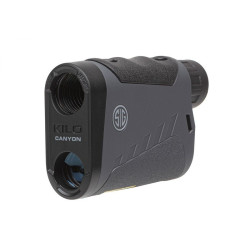
The KILO8K-ABS LRF, with 7x25 mm optics, is built for longer measuring distance and steadier image stabilization when you track an animal for a while before taking the shot. The Buckmasters 1500 LRF and KILO Canyon sit in a similar class and work well both for hunting and for range sessions.
Carrying accessories
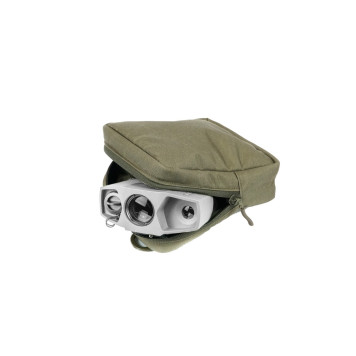
The Terrapin X rangefinder bag and the tripod-mount case protect the optics from moisture, knocks and dirt while you carry gear to the hunting ground or leave the unit mounted on a tripod. It is a small item, but a practical one if you use a rangefinder often.
How to choose a rangefinder for hunting
A few points to weigh against your own hunting situation:
- Measuring range: 6x22 mm optics are enough for forest hunting, a 7x25 mm model suits open ground better
- Ballistic features: decide whether you will use the BDX system for shot correction or just need a plain distance readout
- Size and weight: check whether it fits a pocket for a long sit, or will be worn on a neck strap
- Low-light performance: at dusk, a clear readout matters more than it does at midday
- A carrying case: consider whether you need a separate bag to protect the optics in the field
Rangefinders on a stalk and on a driven hunt
How you use it depends on the hunt. From a high seat or a ground blind, you can range known landmarks ahead of time, a tree, a rock, the field edge, so you do not lose a second measuring once the animal appears. On a driven hunt, where the animal moves fast and without warning, one-handed speed matters most, so a compact model like the KILO1600 is often the more practical choice there.
Practical field advice
A rangefinder reads most accurately when your hands are steady and the beam is aimed straight at the target, not at brush or trees behind it. Batteries drain faster in cold weather, so carry a spare or keep the unit close to body heat. In fog or rain, the effective range can shrink because the beam scatters in the moisture, that is normal and not a fault. After each hunt, wipe the unit down and store it in its case so the lens stays clean and the glass stays free of grit.
Keep the rangefinder within reach during the hunt itself, a small bag or a strap works better than leaving it in the car.
Sig Sauer, the brand behind this category
Every rangefinder in this category is from the Sig Sauer KILO line, known among hunters for fast readings and one-handed operation. From the entry-level KILO1600 up to the more capable KILO8K-ABS, the line lets you choose by budget and by hunting style without switching brands or relearning the controls. Button layout and menu logic stay consistent across the range, so moving between KILO models takes little adjustment.
Sig Sauer rangefinders hold up in low light better than cheaper alternatives, and much of hunting happens early morning or just before dusk, when the readout still has to stay legible.
If you pair a rangefinder with a riflescope, check the optical scopes or scope mounts. For low-light and after-dark hunting, look at thermal imaging devices or night vision devices. Not sure which model fits your hunting ground, write to us and we will help you pick.