
SOLD OUT
Rubber boots
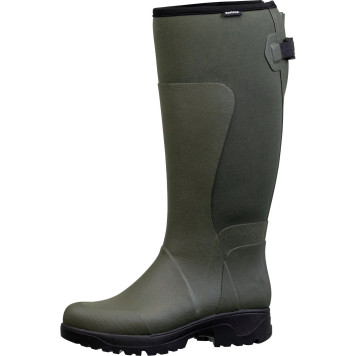
Women's rubber boots for hunting and wet fieldwork: waterproof footwear that keeps your feet dry in marshes, dew-soaked meadows and rain on the stand. The category holds the SEELAND Hillside Flex wellington in dark brown, a colour that sits naturally alongside hunting clothing.
Rubber boots
Hunting in the Baltics keeps you on wet ground for much of the year: flooded meadows in spring, waterlogged ditches in autumn and melting snow in winter. Women's rubber boots are the simplest answer to those conditions. They stay waterproof to the top of the shaft, rinse clean after mud and hold no scent, so they work for stalking, standing on a driven line and handling game.
Who this footwear is for
This category is for women hunters who need fully waterproof footwear: sitting out a wet meadow at dawn, crossing marshy forest edges, standing on a driven line in the rain and doing everyday work on the hunting ground. A rubber shaft protects against water, silt, nettles and soaked grass that would drench a leather boot within an hour. The dark brown colour stays quiet against a forest background.
The SEELAND Hillside Flex wellington
The category currently holds one model: the women's SEELAND Hillside Flex wellington in dark brown. SEELAND is a Danish hunting clothing maker, so this boot was designed for the field rather than the street: the colour matches woodland and the boot is built for long hours on wet ground. A women's last means a narrower heel and calf, so the boot does not slop or rub over longer distances.
Where rubber boots beat leather
Rubber wins wherever water stands or the grass stays wet for more than a few hours. A leather boot with a membrane copes with dew but not with wading, while rubber keeps water out to the top of the shaft and rinses off in a minute after the hunt. The situations below are where rubber boots are the first choice.
Stalking and high seat sessions
Feet cool faster when you sit still for hours than when you walk, so wear a thick wool sock inside the boot. The rubber shaft blocks wind, and a wellington is easy to slip off in the seat when you need to move your toes.
Driven hunts
A beater's line rarely follows a dry track: ditches, bog patches and fallen timber are normal. Rubber shrugs off mud and water, and a bucket of water cleans the boots at the end of the day.
Dog work and handling game
Around blood, silt and a wet dog, rubber footwear is the practical choice: it absorbs no odour and wipes clean at once, which also matters for hygiene when you dress game in the field.
Spring and autumn thaw
When meadows flood and tracks turn to mud, rubber boots get you to the high seat with dry feet. Outside the season they earn their keep on fishing trips and berry picking.
How to choose women's rubber boots
Size, shaft width and warmth matter most, because a rubber boot does not stretch or break in the way leather does. Check these points before ordering:
- Try the boot with the sock you will hunt in: a thick wool sock can call for half a size more.
- Check calf circumference: the shaft should sit close yet leave room to tuck in a trouser leg.
- Think about the season: an unlined wellington covers spring to autumn, winter calls for thicker socks or an insole.
- Consider weight: a lighter boot tires you less on a long walk across the ground.
- Pick a quiet colour: dark brown or green sits well with camouflage clothing and does not shine in the sun.
Care and field advice
Rubber footwear lasts for years if you rinse it after every hunt and dry it away from radiators. Direct sun and heat age rubber, so store the boots upright in a cool, dark place rather than folded. Newspaper or a drying insert pulls moisture out of the inside. Before the season, inspect the seams and the flex points of the shaft: a cracked boot still serves for yard work but no longer for wading.
If you need a different size or are unsure whether the SEELAND Hillside Flex suits your ground, write to us and we will help you pick the right pair.
The rest of the women's range is in women's boots, and men's rubber boots have a category of their own. If you are unsure about sizing or shaft height, write to us and we will advise for your hunting conditions.