
Thermal scopes
Thermal scopes for hunting after dark and at dusk, with Pulsar Thermion 2, Talion, InfiRay and ThermTec models suited to boar stalking, driven hunts and watching from a high seat.
-17%
-17%
SOLD OUT
SOLD OUT
PULSAR
Out of stock
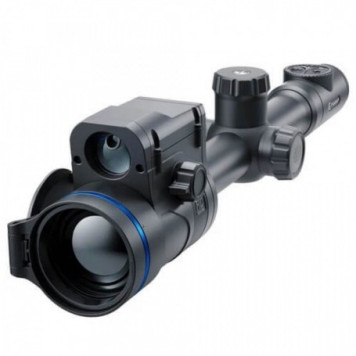
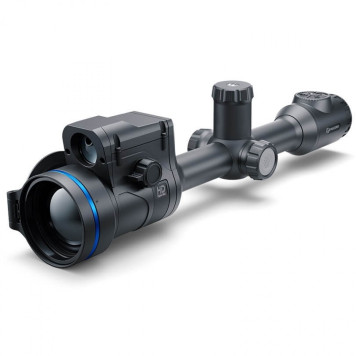
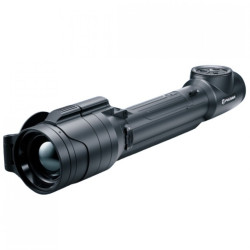
Termovizorinis optinis taikiklis Talion XQ35 Pro su Weaver LQD laikikliu
€2,390.00
Notify me
SOLD OUT
PULSAR
Out of stock
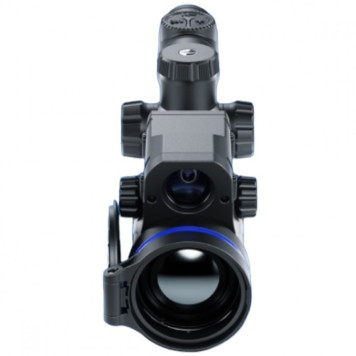
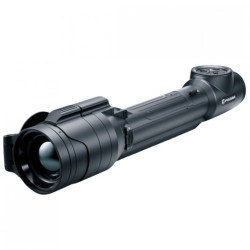
Thermal Imaging Scope PULSAR Talion XG35 Su Weaver LQD laikikliu
€3,690.00
Notify me
SOLD OUT
PULSAR
Out of stock
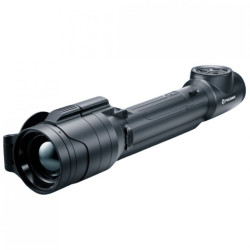
Termovizorinis optinis taikiklis Talion XG35 su weaver U laikikliu
€3,650.00
Notify me
SOLD OUT
PULSAR
Out of stock
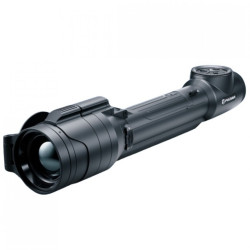
Termovizorinis Optinis Taikiklis Talion XG35 Su Weaver USQD Laikikliu
€3,700.00
Notify me
Thermal scopes
A thermal scope shows you a boar in a thicket or a roe deer at the tree line when your eyes and a regular riflescope no longer can. It reads heat, not light, so it works in full darkness, fog and thin foliage. This category holds Pulsar Thermion 2, Pulsar Talion, InfiRay TL/TH and ThermTec Vidar models, from compact 35 mm units to powerful 50-660 sensor scopes built for longer range.
Who a thermal scope is for
A thermal scope is for the hunter who heads out for night boar hunting, sits in a high seat through dusk, or takes part in a driven hunt with limited visibility. It lets you spot game well before it spots you and confirm the target with certainty before you fire. You can run it as your main sight or mount it alongside a day scope on the same rifle.
Boar are mostly hunted after dark, which is why a thermal scope has become standard gear for that pursuit. Roe deer and red deer are more often hunted at dusk, when daylight has faded past what regular optics can handle but the animal is still moving.
Another use is tracking after the shot. A wounded animal often pulls back into cover, and the heat its body gives off still shows in the scope even when it is hidden behind brush or tall grass. That makes tracking easier without a spotlight, which spooks game and can disturb a neighbouring hunting party.
What types are in the assortment
The range splits by sensor size, objective lens diameter and mount type. Each option suits a different hunting situation, from dense forest to open field.
Pulsar Thermion 2
The Thermion 2 XQ50 Pro, XP50 Pro and LRF XP50 Pro are full riflescope-style units with a 50 mm objective lens. The LRF versions carry a built-in laser rangefinder, useful when you shoot beyond 200-300 metres on a driven hunt or at a field edge.
Pulsar Talion
The Talion XQ35 Pro and XG35 models, fitted with Weaver LQD or Weaver USQD mounts, let you remove and refit the scope without losing zero. That matters when you hunt the same night from several spots with one rifle, or want to move the same scope between two firearms.
Multispectral Thermion Duo
The Thermion Duo DXP55 combines a thermal channel with a day channel in one housing. It suits the hunter who wants one scope for both daylight and night hunting, without switching between two separate optical devices.
InfiRay Tube series
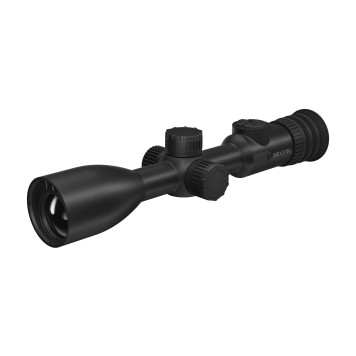
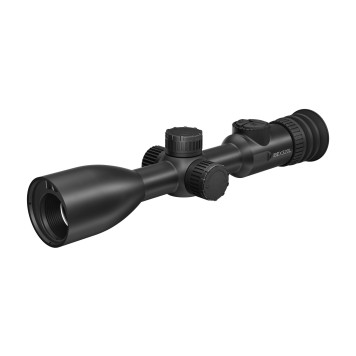
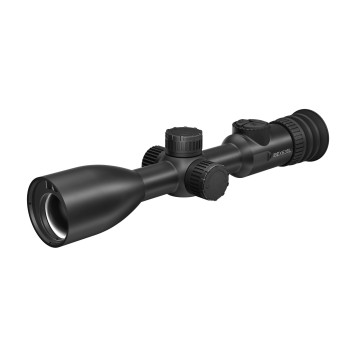
The TL35 SE, TL35 V2, TL50 V2 and TH50 V2 are tube-bodied scopes, slimmer and lighter than riflescope-style units. They suit a hunter who cares about rifle balance during a long, still watch from a high seat.
ThermTec Vidar
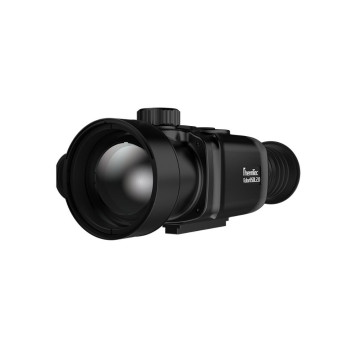
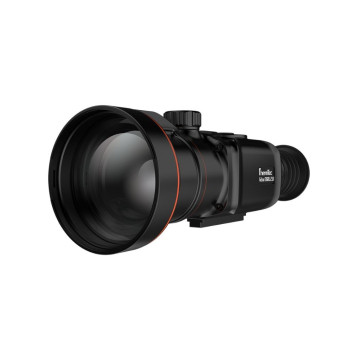
The Vidar 350, 360, 635, 650 and 660 span both standard and higher-resolution sensor choices. The number in the model name usually points to objective lens size in millimetres, and a larger lens means better recognition at greater range. The line suits a hunter who wants to compare several range and price tiers within one brand before deciding.
How to choose a thermal scope
The right choice depends on how you hunt, which rifle you use, and the distance you shoot most often. A single scope rarely suits dense forest and open field equally well, so weigh a few points before buying.
- Objective lens size: 35 mm models are lighter and suit closer targets in forest hunting, while 50 mm and larger recognise game further away in open field.
- Mount type: Weaver LQD or USQD mounts are convenient if you move the scope between rifles or run it alongside a day sight.
- Laser rangefinder: an LRF version matters if you regularly shoot past 150 metres and want a precise distance reading before the shot.
- Multispectral option: useful if the same scope needs to serve both day and night hunting.
- Weight and length: tube-bodied scopes such as the InfiRay TL/TH keep balance for a long watch from a high seat.
Practical advice for the field
A thermal scope calls for different habits than regular optics. Before heading out, check the battery charge, since it drains faster in cold weather than in warmer months.
On a driven hunt, zero the scope beforehand with the same cartridge you plan to use on the day, because a different bullet trajectory shifts the point of impact. When watching from a high seat, staying still and moving your hands slowly matters more than the scope's power output. Boar and roe deer cannot see thermal imaging, but they pick up sound and movement from a distance.
Keep screen brightness at the lowest level that still shows the target clearly. A screen set too bright drains the battery faster and briefly dazzles your eye when you need to check the surroundings with the naked eye or a night vision device after the shot.
Fog, rain and wet grass interfere with a thermal scope far less than with regular optics, but the lens still needs to be dry and clean before you fire.
When transporting the scope by car or through a damp forest, keep it in its original case with a silica gel pack. A sudden swing between cold outdoor air and a warm cabin causes condensation on the inner lens that can take hours to clear. After the hunt, let the scope sit at room temperature with the case open before storing it away.
Which brands are available
The category carries Pulsar, InfiRay and ThermTec, the three brands most commonly used by hunters in Lithuania. Pulsar offers the widest model spread, from the compact Talion to the powerful rangefinder-equipped Thermion 2. InfiRay focuses on lighter tube-bodied designs, and the ThermTec Vidar line spans several sensor tiers within a single family.
Pulsar has been on the market longest, so mounts, cases and other accessories built for it are usually easier to find in shops and among other hunters. The Talion series is popular with hunters who run shorter, more manoeuvrable rifles for driven hunts in dense forest, thanks to its compact length. InfiRay and ThermTec tend to attract hunters who want a strong image-to-price ratio, especially when the scope is used as a second tool alongside a day sight already on hand.
Related categories: thermal monoculars for scouting without a rifle, thermal binoculars for wide-field watching, thermal clip-on units to add thermal capability to a day scope you already own, and thermal device accessories for care and storage. If you are unsure which model fits your rifle and hunting style, write to us and we will help you choose.