
Air gun pellets
Air gun pellets and T4E balls for CO2 powered launchers: rubber, pepper, paint, chalk and polymer practice rounds in .43, .50 and .68 caliber. UMAREX ammunition for personal protection, guarding the hunting homestead and cheap target practice between seasons.
UMAREX
In stock
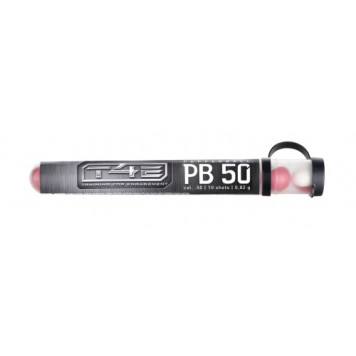
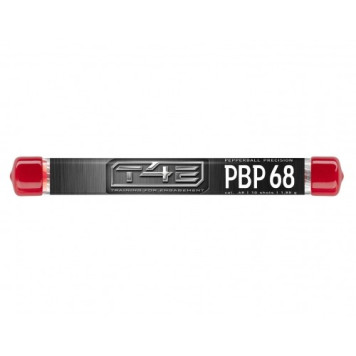
Dujiniai šratai UMAREX Pepperballs Precision T4E PBP Kal. 68 (10 vnt.) 2.4796
€39.95
SOLD OUT
SOLD OUT
UMAREX
Out of stock
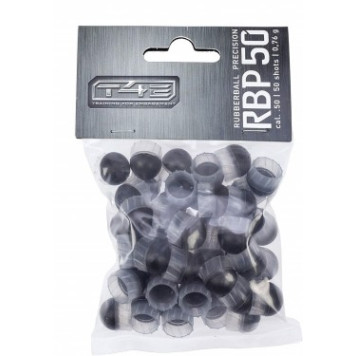
Guminiai šratai UMAREX Rubberballs Precision T4E RBP Kal. 68 50 vnt. (2.4793)
€49.50
SOLD OUT
SOLD OUT
UMAREX
Out of stock
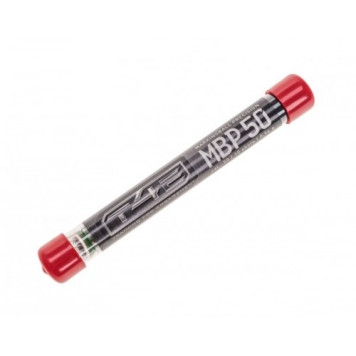
Guminiai šratai UMAREX Rubberballs T4E RBP Prac-Series 50 kal. 500 vnt. 2.4704
€59.95
Air gun pellets
This category holds UMAREX T4E balls for CO2 powered air guns: rubber, pepper, paint, chalk and polymer practice rounds in .43, .50 and .68 caliber. For a hunter these are tools for guarding the homestead, kennel and hunting cabin, and a cheap way to keep shooting skills sharp between seasons while the rifle stays in the safe.
Who these air gun pellets are for
These rounds fit T4E launchers and similar CO2 powered air guns used for personal protection, property defense and training. A hunter reaches for them in two situations: driving stray dogs or a bold fox away from the yard and kennel, and shooting long practice sessions without burning expensive rifle cartridges. They are not hunting ammunition and must never be used on game. A rubber ball turns a predator away from the chicken coop without a shot from a real firearm, and a large bag of polymer balls lets you train trigger control in the yard against a safe backstop. That practice between seasons keeps the hand steady, so the first shot from the high seat in autumn comes easier.
Ball types in this category
The assortment splits into four groups: rubber balls, pepper balls, marking rounds and polymer practice balls. All of them are made by UMAREX, so they match the bore dimensions and CO2 power of T4E launchers. The groups differ by task: some stop a threat with pain or irritant, others leave a mark or feed cheap practice strings.
Rubber balls
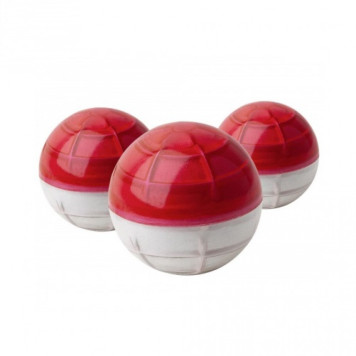
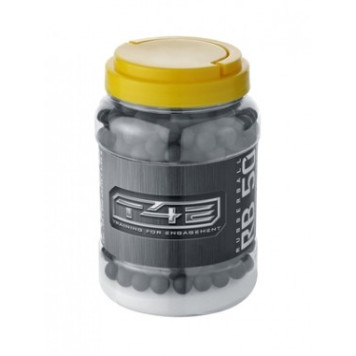
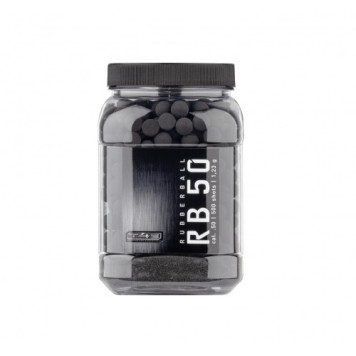
Rubber balls are the core defensive and deterrent round. The category carries UMAREX RubberBalls and Rubberballs Precision in .43, .50 and .68 caliber, packed from 50 up to 500 pieces. The Prac-Series line is meant for practice, while the Precision series is made to tighter tolerances and flies more consistently. A rubber ball hits hard and stings but does not break the surface, so it works both for chasing a predator off the poultry run and for training on a solid target.
Pepper balls
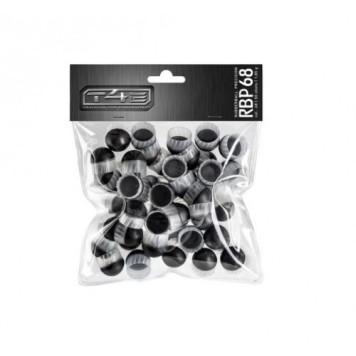
Pepper balls are the strongest deterrent in this category. UMAREX PepperBalls and Pepperballs Precision, sold in packs of 10, burst on impact and release an irritant that affects the eyes and airways. This is a round for a serious situation: an aggressive dog at the kennel or an intruder at the homestead. Store them apart from your practice balls and keep them for real threats only.
Paint and chalk balls
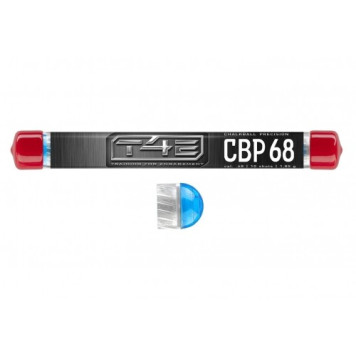
Marking rounds leave a visible trace where they hit. Markingballs MBP leave a paint mark, and Chalkballs Precision CBP leave a chalk dust spot that wipes off most surfaces. For a hunter this is a handy way to see where the shots land: each hit shows on the target board without changing paper targets after every string.
Polymer practice balls
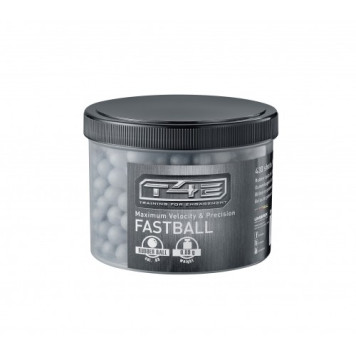
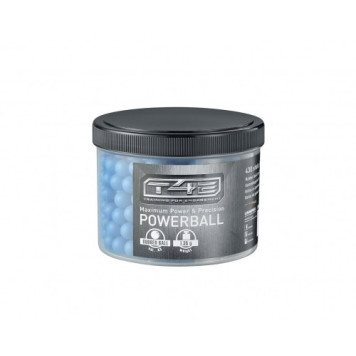
Polymer practice balls are the cheapest way to shoot a lot. The Powerball, Fastball, Polyballs and Practice PLB lines are made of hard polymer, and packs of 430 or 100 pieces let you run string after string without counting cost. Fastball is lighter and faster, Powerball flies more stable. They also suit teaching a young hunter safe gun handling and the basics of aiming.
Calibers and pack sizes
Three calibers are present: .43, .50 and .68. The .43 fits pistol type launchers, .50 is the common choice for popular T4E defensive revolvers and pistols, and .68 feeds more powerful rifle type markers. Packs range from 10 pepper balls to 500 rubber ones. A small pack covers defensive use, while big packs cut the cost per shot several times for training. Check the marking on your launcher before ordering, because balls of different calibers do not interchange.
Deterrence around the homestead and hunting grounds
Rubber and pepper rounds solve everyday problems around a rural yard and hunting grounds without a firearm. Typical cases are stray dogs at the kennel, a fox at the poultry run or a marten in the outbuilding. A painful but safe hit teaches the animal to avoid your yard. Aim at large body areas and avoid the head: the goal is to deter, not to injure. Around bait sites and feeders such a launcher also helps against bold corvids that pull the bait apart. Keep the loaded launcher where you can reach it fast but children cannot.
How to choose the right rounds
Your choice comes down to the caliber of the launcher and the job you are buying the balls for. Decide first if the rounds are for protection, marking or practice, and only then pick the pack size and series.
- Check the caliber of your launcher: .43, .50 or .68, printed on the barrel or in the manual.
- Match the type to the task: rubber or pepper for defense and deterrence, paint or chalk for checking accuracy, polymer for practice.
- Pick the Precision series for accuracy work: tighter ball diameter gives a steadier trajectory.
- Count the cost per shot: frequent shooters save with 430 and 500 piece packs.
- Keep a reserve for winter: CO2 pressure drops in the cold, so part of each session goes to settling the gun.
Practical advice for use in the field
The condition of the balls decides your accuracy, so store them dry, cool and in the original packaging. Rubber and chalk balls that soak up moisture deform, jam in the barrel and fly unpredictably. Never reload balls picked up from the ground. When shooting in the yard, always set a backstop that stops ricochets: a soft board, a heavy tarp or an earth bank. A rubber ball bounces off a hard surface at nearly full speed, so protective glasses are mandatory for the shooter and anyone watching. In winter keep the launcher and CO2 capsules warm until the moment you shoot, since a cold capsule gives a weaker shot and a lower trajectory. Use pepper balls outdoors only, so the irritant does not linger in a closed room.
UMAREX and the T4E line
Every round in this category comes from UMAREX, a German maker and one of the largest producers of air and CO2 guns in the world. T4E stands for Training for Engagement: the line was built for training and self-defense, so ball diameter and weight are tuned to launchers from the same factory. Running one maker's gun and ammunition together avoids jams and gives a predictable trajectory, which matters most when a round has to work on the first try.
Browse the related categories as well: gas cartridges, blank cartridges and pistol and revolver cartridges. If you are not sure which caliber or type fits your launcher, write to us and we will help you choose.