
SOLD OUT
For men
The men's hunting footwear section, for hours in a high seat or wading through a marsh: warm, waterproof hunting boots for driven hunts and snow, and rubber boots for mud, standing water and dew-soaked mornings in the field.
SOLD OUT
SOLD OUT
SOLD OUT
SOLD OUT
SOLD OUT
SOLD OUT
SOLD OUT
SOLD OUT
SOLD OUT
SOLD OUT
SOLD OUT
For men
Choosing footwear for a hunt is not about looks, it is about endurance: how many hours your feet stay dry in a high seat on a cold morning, how quietly you can close in on game over dry leaves and branches, how deep you can wade through a marsh on a driven hunt. This section brings together the two things a hunter needs most on his feet: durable hunting boots and rubber boots for wet, muddy ground.
What you'll find in this section
The section holds two types of footwear: boots for active movement through forest and open ground, and rubber boots for marshes, ditches and standing water. Each type answers a different situation in the field, so most hunters end up owning both and reach for whichever fits the day.
Hunting boots
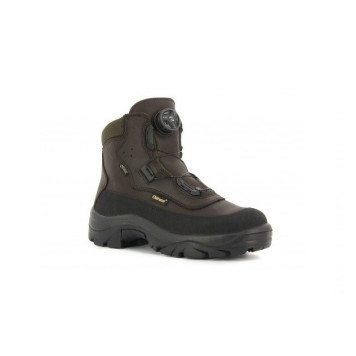
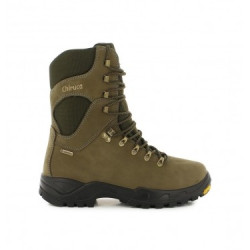
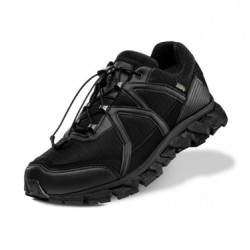
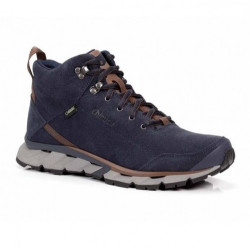
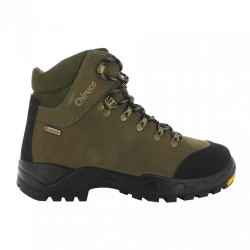
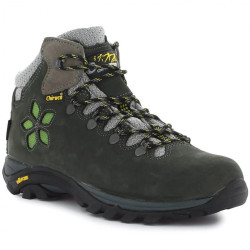
Boots make up the larger part of this section, with models such as the Chiruca Iceland, the Chiruca Tundra with a Gore-Tex membrane, the Chiruca Dogo BOA GoreTex and the Demar Caribou Pro. These are built for long walks, stalking and standing watch in a high seat, where feet need to stay warm through several motionless hours. The membrane keeps out moisture from wet grass and snow, and a solid build keeps your footing steady on roots and stone in low light. Who needs them most: hunters who cover ground, follow tracks, or spend long stretches sitting still watching a clearing from a high or low seat.
Rubber boots
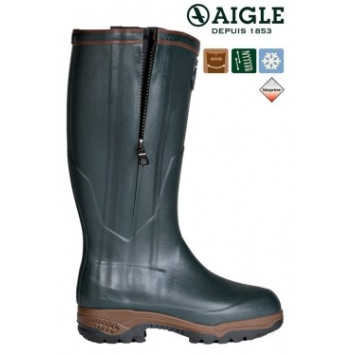
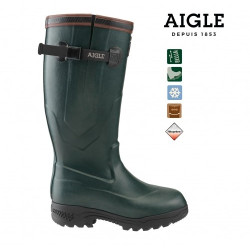
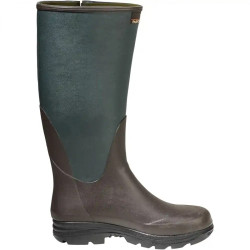
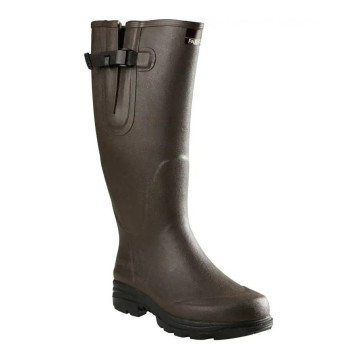
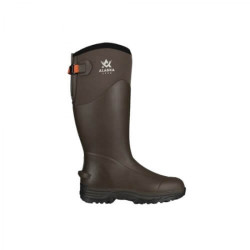
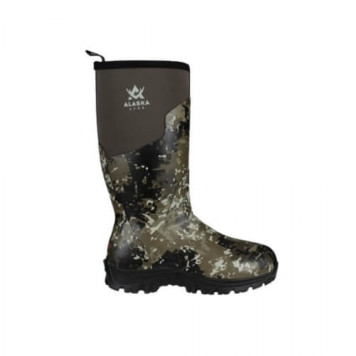
Rubber boots, such as the Demar New Trayk-s Fur with its warm lining or the Polyver Premium+, cover the situations where a membrane boot would not hold up. They keep water out even when you wade through a marsh, a ditch or a flooded field, and a warm lining lets you stand still through a cold dawn or a wet autumn afternoon. Who needs them most: hunters working open fields, near water, through dense brush, or on a driven hunt where the ground is often heavy and soaked from morning to evening.
How to choose between boots and rubber boots
The choice comes down to the ground and the style of hunt you do most: drier, hilly or wooded terrain calls for boots with a membrane, while marshes, wet fields and anything near water call for rubber boots. If your hunting grounds shift with the season, it is worth owning both pairs and picking by the day's conditions rather than habit.
In autumn and winter, when you stand for hours in a high seat in the cold, warmth matters as much as waterproofing, so check whether the boot has a warm lining. In summer and early autumn, when you are on your feet more, lighter weight and ventilation matter more, so the boot does not turn hot and sweaty over a long walk.
How footwear works across different hunts
Different forms of hunting call for different boot qualities, so it is worth choosing footwear around how you actually spend the day in the field, not around a generic default.
Stalking and tracking
Stalking calls for a quiet, flexible boot that lets you feel the ground and place each step without noise on branches and dry leaves. A thick, stiff sole can get in the way of precise footing as you close the last stretch to game.
Standing in a high seat
Here warmth and insulation matter most, since feet stop moving and cool fast, especially on autumn and winter mornings before dawn. The boot should still leave enough room for circulation even with a thick sock.
Driven hunts
A driven hunt means moving fast across mixed ground, forest, ditches, marshy stretches, which is why many hunters reach for rubber boots that let you push through sudden water or mud without hesitating.
Early mornings and dew-soaked grass
Even on a dry day, fields and grass are often soaked with dew at dawn, and socks can get wet faster than expected. A waterproof boot or a rubber boot guards against this easy-to-overlook but very real risk.
Getting the size and build right
A hunting boot needs to fit over a thicker sock, so many hunters go up half a size from their regular shoe. A boot that is too tight speeds up cold feet over long cold hours, because circulation slows in a cramped space. For rubber boots, how easily they come off after a muddy day matters too, and a taller shaft protects the shin through dense brush or shallow water.
The sole matters as well: a deeper tread grips wet clay and mossy roots better, while a firmer rubber compound holds up longer on a stony or gravel track. If you drive between hunting grounds often, a boot you can slip on and off quickly at the car boot keeps mud out of the vehicle.
Caring for your boots after a hunt
After a wet day, dry your boots at room temperature, away from direct heat, so the leather or membrane keeps its properties. Rinse rubber boots free of mud and marsh residue, or the material can crack over time. Treat leather boots periodically with a care product to keep the leather soft and moisture-resistant. Regular care adds several seasons to the working life of your footwear and saves money in the long run.
In this section you'll find boots for long hours in a high seat and active movement, and rubber boots for wet, marshy ground. If you're not sure which option fits your hunting conditions, write to us and we'll help you pick the right pair.