
SOLD OUT
Accessories
This section covers hunting accessories that protect your head, hands, neck and waist from cold, wind and damp — caps, facemasks, gloves, socks, belts, scarves and neckties. Built for high-seat waiting, driven hunts and long hours outdoors.
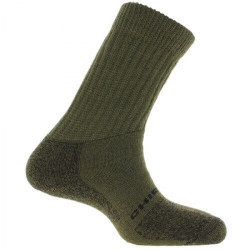
SOLD OUT
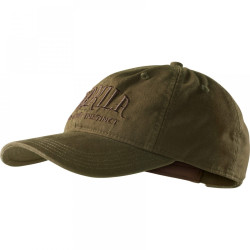
SOLD OUT
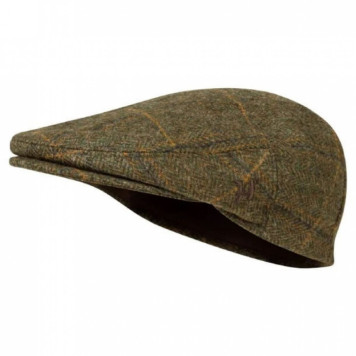
SOLD OUT
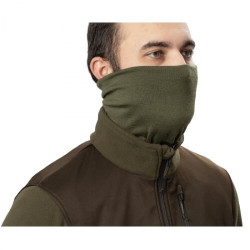
SOLD OUT
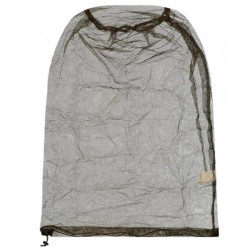
SOLD OUT
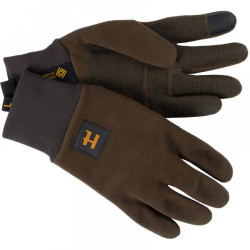
HARKILA
Out of stock
Gloves HARKILA Forest Hunter WSP (Hunting green/Shadow brown)
From €99.95
Notify me
SOLD OUT
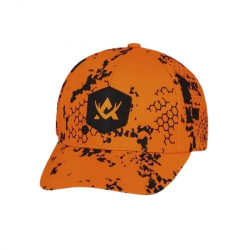
SOLD OUT
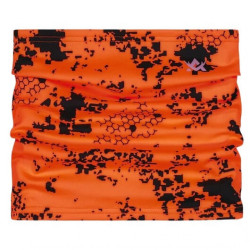
SOLD OUT
SOLD OUT
SOLD OUT
SOLD OUT
Accessories
Hunting means hours outdoors, often standing motionless in a high seat, or moving through wet forest and fields before dawn during a driven hunt. Your jacket and trousers protect your core, but it's the small accessories — a cap, gloves, socks, a belt or a scarf — that usually decide whether you stay dry and warm for four hours or head home after one. This section gathers gear for your head, hands, neck, feet and waist that completes your main hunting outfit.
What you'll find in this accessories section
The section holds seven subcategories, each built for a specific body part and a specific moment in the field. The largest group is head covers, followed by gloves and socks, while belts and scarves and collars round out the outfit for both cold and warm months.
Head covers
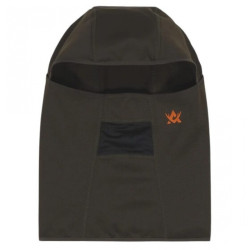
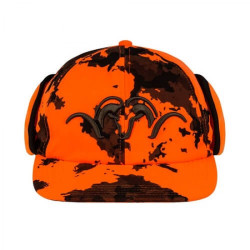
Here you find caps, facemasks, hats and balaclavas — from fleece caps for a cold morning in the high seat to camouflage facemasks for driven hunts, where your face has to stay hidden from the animal. Reversible caps with a hi-vis side matter once you need to be visible to other hunters after a shot, while wool hats suit quiet, still waiting in the cold.
Gloves
Gloves keep your fingers working through hours of holding a rifle motionless, or while walking through wet grass to retrieve game. Pick them by season — thinner ones for autumn, warmer ones for winter waiting, and some models are cut for a clean trigger feel even with the glove on.
Socks
Wet feet ruin a hunt within the first hour, so socks made from wool or technical fibers matter as much as the boots themselves. Wool holds warmth even damp, and thickness varies by season — thinner for summer, thicker for cold, long stretches in a high seat.
Belts
A belt holds your trousers, carries a knife sheath or holster, and is often the one spot where you clip on gear fast. Hunting belts are made from tough leather or technical webbing that won't stretch out over a long day outside.
Scarves and collars
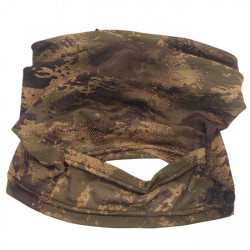
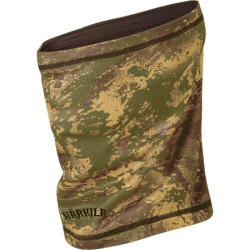
Your neck and face lose heat faster than you'd expect, especially standing still in a high seat early in the morning. Reversible scarves with a camo pattern on one side let you stay unseen during the hunt, with a plain side for the drive home.
Alongside these five larger groups, suspenders keep your trousers up over a long day without pressure on your waist, and neckties cover a small, optional detail for hunters who care about club or event dress.
How to pick accessories by season
Autumn and winter call for thicker, wind-blocking materials, while summer and spring need thin, breathable pieces that don't overheat you walking across open ground. It pays to keep at least two sets for different seasons, since the same accessory rarely suits both a July morning and a December sit in the snow.
In cold weather, head covers and gloves become your first pick, since hands and head lose heat fastest while you stand still. In warmer months, socks and light scarves against sun or insects matter more, while a belt stays useful year-round regardless of temperature.
Layering: how accessories work with your outfit
Accessories work best as an added layer over your jacket or suit, not a replacement for it. A scarf tucked under your jacket collar traps heat that would otherwise escape at the neck, and gloves worn under looser sleeves stop wind from cutting straight into your wrists.
Layering for the head often means a thin balaclava under a cap — this makes it easy to adjust warmth through the day by removing just the top layer once the sun climbs. The same logic applies to socks: a thin liner plus a thicker outer sock lets you match warmth to the temperature without changing boots entirely.
How to care for accessories after a hunt
After every trip, dry accessories naturally rather than near strong heat, which damages wool and technical fibers. Wet socks and gloves left rolled up in a bag start to smell musty overnight and lose the scent-control properties that matter when you close in on game.
Belts and leather pieces benefit from an occasional conditioning treatment so the leather doesn't crack in the cold, and camo fabrics should be washed without scented detergent, since a strong smell can warn game off from a distance. Careful care extends how long these pieces last by a wide margin.
When a spare set is worth carrying
A spare set in your bag or car saves the day when rain starts or the temperature drops sharply before a morning hunt. A second pair of socks and dry gloves weigh little but let you stay out longer once the first set gets soaked by dew or snow.
A spare cap or scarf is also worth having, especially on a driven hunt where you move through thick cover and fabric can snag and tear. It's a small outlay that keeps you from a forced walk home at the worst possible moment.
Browse the full range by subcategory: head covers, gloves, socks, belts, scarves and collars, suspenders and neckties. If you're not sure which model or size fits your hunting conditions, write to us and we'll help you pick the right one.