
Socks
Hunting socks for cold hours on the high seat, long stalks and warm-season fieldwork. Merino wool, thermal, Coolmax and tick-repellent pairs from Härkila, Chiruca, Seeland and Chevalier, matched to rubber and leather hunting boots.
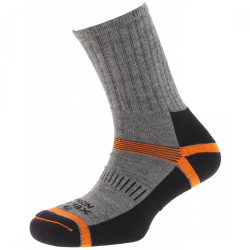
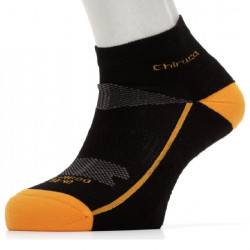
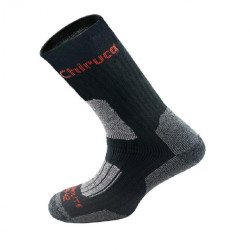
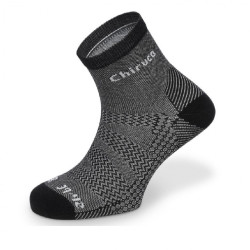
HARKILA
In stock
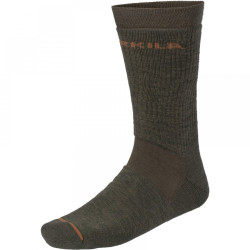
Socks HARKILA Pro Hunter 2.0 short (willow green/shadow brown)
From €39.95
Choose an option
HARKILA
In stock
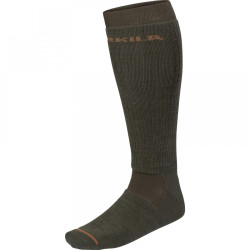
Socks HARKILA Pro Hunter 2.0 long (willow green/shadow brown)
From €47.95
Choose an option
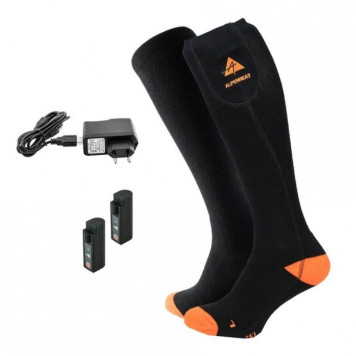
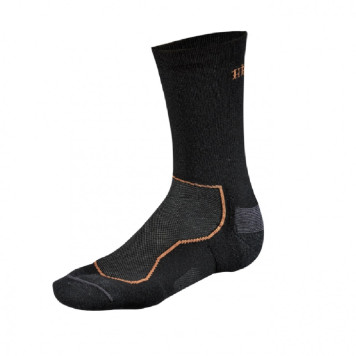
Socks
Wet rubber boots, ten motionless hours on a high seat in frost, or a long driven hunt across boggy ground quickly show what your socks are worth. Cold or soaked feet end a hunt earlier than dusk does. This category holds 46 models picked for hunters: thick winter pairs, thin summer ones and pairs with tick protection.
Who these hunting socks are for
They are made for people who spend long hours outdoors in hunting footwear: stand hunters sitting still on a cold high seat, beaters and shooters on driven hunts, stalkers crossing wet meadows, and anyone who wears rubber or leather hunting boots. They differ from ordinary sports pairs in fibres, reinforced zones and shaft height.
A plain cotton pair absorbs sweat and keeps it against the skin. You do not feel it while walking, but minutes after you settle on the seat, a damp foot starts to freeze. Pairs built for hunting are knitted from merino wool, Coolmax, Thermolite or bamboo fibres that move moisture away from the skin, with reinforced heels and toes where the boot rubs hardest. Some models add copper fibre against odour, a tick-repellent finish or a flat toe seam against blisters. The colours follow the hunter's wardrobe too: black, grey, dark olive and willow green rather than anything bright.
Sock types by season and purpose
The range falls into four main groups: warm winter pairs for long stand hunting, light summer pairs for active days, tick-protection pairs and all-round trekking models with antibacterial fibres. Many models come in several lengths, so you can match them to tall rubber boots as well as lower leather ones, and pick colours that stay quiet in the field.
Winter thermal and wool pairs
For the coldest season the Härkila Expedition and Expedition Long are the pick: a thick, dense knit made for sitting still on a high seat in rubber or winter boots. The long version covers the calf, so the boot shaft does not chafe bare skin and warmth does not escape at the top. Härkila All Season Wool II in merino wool keeps warming even when damp and holds no odour over a multi-day hunt, while Chiruca Drytex Thermical Cupron pairs a thermal fibre with copper technology that limits bacteria.
Summer and Coolmax pairs
In the warm season the priority is a dry foot, not warmth. Chiruca Coolmax and 360 Trail Running pairs are thin, dry fast and suit stalking, range days or work in the hunting grounds in the heat. Härkila Coolmax II Liner is a thin base layer: worn under a thick wool pair in winter, on its own in summer. Seeland and the Chevalier Pomeroy series with hunting motifs sit in the middle: warm enough for autumn, not too thick for walking.
Tick-protection pairs
The Chiruca Calce Antigarrapatas model is built for the tick season, which in the Baltics runs from early spring to late autumn. A special finish on the knit repels ticks at the boot and trouser line, the point where they most often reach the skin. When you stalk through tall grass, dress game or push through young spruce, that barrier is a serious argument. Wear them so no bare skin is left between sock and trouser leg.
Trekking and antibacterial pairs
For long marches there are Chiruca Trekking Thermolite, Travel Drytex and Bamboo Antibacteriano: they reduce friction while bamboo and antibacterial components stop odour. The Chiruca Antiampollas model is knitted to prevent blisters over hours of walking, which makes it a natural choice for beaters and hunters who cover their grounds on foot.
How to choose
Start from how you hunt most often: sitting on a stand, walking in driven hunts or stalking. That decides whether warmth or ventilation matters more. Then look at your boots, the season and the distances you cover in a day. When picking a specific pair, a few rules help:
- Season. Take a thick wool or thermal pair for winter, a thin Coolmax for summer and a mid-weight model between seasons.
- Boots. Rubber boots do not breathe, so they need a moisture-moving fibre and a longer shaft. Mid-length is enough for leather boots.
- Hunting style. Motionless stand hunting calls for the warmest pair; driven hunts and stalking need ventilation and blister protection more.
- Length. Long pairs such as the Expedition Long cover the calf, protect it from shaft chafing and stay up while you walk.
- Size. Try a thick winter pair on with the boots you will wear it in: a tight boot compresses the knit, the air gap disappears and the foot freezes faster.
Practical advice from the field
In the cold, two layers work best: a thin Coolmax Liner pair against the skin and a thick wool pair over it. Moisture passes into the outer layer, the foot stays dry and warmth lasts through the morning sit. Keep a spare pair in your pack if you hunt wet ground or wade ditches. Merino wool holds no odour, so at a multi-day camp you can wear the same pair longer without washing, and less scent means calmer game coming to the feeding site. During tick season check your legs every evening even in a repellent pair: no measure works one hundred percent. Back home, dry socks at room temperature, not on a radiator, and wash them at up to 40 degrees without fabric softener, which clogs the moisture-moving fibres.
Brands
The category carries four makers long familiar to hunters: Härkila, Seeland, Chevalier and Chiruca. Each treats socks as part of a hunting clothing and footwear system rather than an afterthought. Härkila is a Scandinavian hunting clothing maker whose Expedition and All Season Wool lines are built for northern weather. Seeland offers practical pairs for everyday hunting, Chevalier carries the Swedish hunting clothing tradition with its Pomeroy series, and the Spanish maker Chiruca, best known for hunting boots, knits pairs to match its own footwear: Drytex, Coolmax, Thermolite and bamboo fibres cover every season.
Feet are not the only place warmth escapes: see our gloves, head covers and scarves and collars as well. If you are unsure about size or thickness for your boots, write to us and we will advise.