
SOLD OUT
For wild animals
This section covers trail cameras, game calls, lures and feed, automatic feeders, trophy care items, hunting stands and traps - everything for reading, drawing in and feeding game on your hunting ground through the season.
SOLD OUT
SOLD OUT
SOLD OUT
SOLD OUT
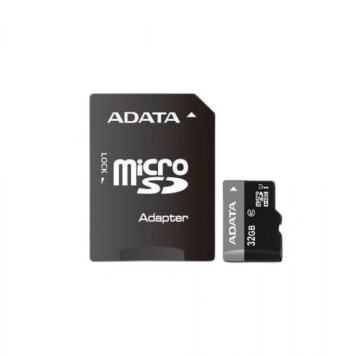
ADATA
Out of stock
Memory card ADATA 32GB Class 10 UHS-1 (U1) with SD adapter (MICROSD/32GB-ADATA)
€9.90
Notify me
SOLD OUT
SOLD OUT
SOLD OUT
SOLD OUT
SOLD OUT
SOLD OUT
SOLD OUT
For wild animals
This section brings together gear that helps a hunter read and draw in wild animals before the shot itself. Trail cameras show which animals move through your hunting ground and when. Game calls and lures bring animals closer to a blind or feeding site. Feeders help animals get through winter on your ground, and trophy care items prepare antlers and hide properly after a successful hunt.
What you'll find in this section
This section holds eight subcategories covering 169 products, from trail cameras to traps. Each serves a different stage of the hunt: scouting before season, drawing animals closer, feeding through winter, or caring for a trophy afterward. The larger groups by product count are covered below.
Trail cameras
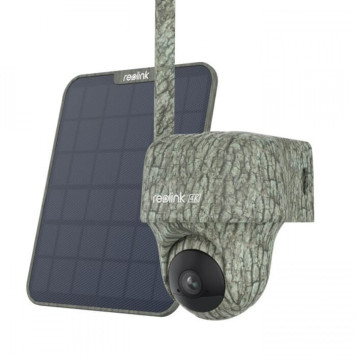
Trail cameras record animal movement on your ground day and night while you are not there. They show when wild boar come to a feeding spot, which trail deer use, and whether a stand location is actually worth building. Early in the season this lets you plan around real animal habits instead of guesses.
Game calls
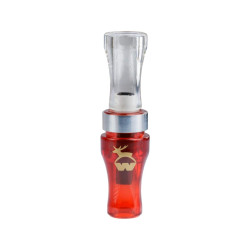
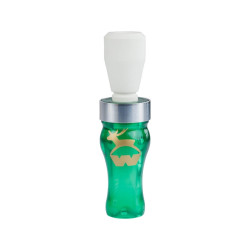
Game calls imitate roe deer, red deer or wild boar sounds and draw animals closer during the rut or a driven hunt. Used correctly during the rut, a call brings a buck in from a fair distance, while a cold windy day carries sound further, so technique and direction matter.
Lures & feed
Lures and feed pull animals toward a specific spot and help keep them on your ground. Scent lures for roe deer or red deer work at short range, while long-lasting mixes made for wild boar hold animals near a feeder for weeks.
Automatic feeders
Automatic feeders release feed on a set schedule, so animals get used to arriving at the same time - useful for both observation and hunting from a stand. In winter this also helps animals survive a harder stretch on your ground.
For trophy care
Trophy care items come into play after a successful shot - whitening skulls and antlers, caring for hide and fur, hooks for hanging or dragging game. A trophy handled properly stays presentable for years, while one left untreated loses its value within months.
Hunting stands & blinds
Hunting stands and blinds hide your outline and scent while you watch or wait. A camouflage blind set near a feeder or lure spot lets you sit close to a game trail without being noticed.
How to choose a trail camera for your ground
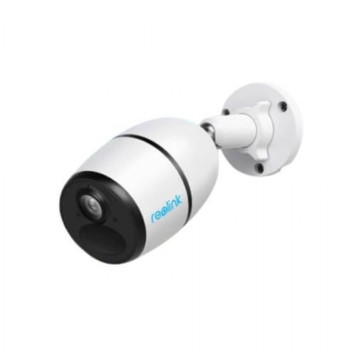
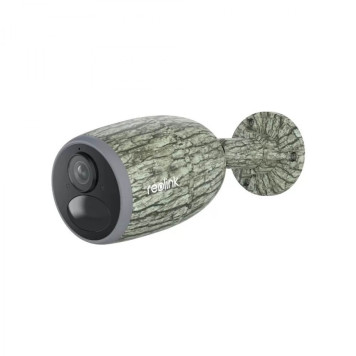
The main things to weigh are battery life between visits, motion sensitivity, and night image quality. On ground you rarely visit, choose a camera with a longer standby time and a SIM card; near your house or a spot you check often, a simpler SD-card model is enough. Mount it at roughly human height, aimed at the trail rather than the sun, so images stay clear.
How to pick a lure for the animal and season
Which lure to buy depends on the animal you're after and how long you need it to hold that animal on your ground - short-range scent lures suit a single evening watch from a stand, while long-lasting mixes suit an animal you want returning to one spot for weeks.
HAGOPUR Premium lures made for red deer and roe deer give off a strong scent for a short time - they work best in cold, damp air, when scent doesn't scatter quickly, and suit a stand placed close to the feeding spot. Wild Hog, a long-lasting lure made for wild boar, holds animals on the ground for longer and needs refilling less often, so it suits ground you can only reach once a week or so. On a dry, windy day scent doesn't carry as far, so it pays to use more of it or place it closer to a trail animals use regularly. In autumn, before the rut, a lure is often paired with a call - one draws animals in from a distance, the other keeps them near a fixed spot while you get ready for the shot. A roe deer call such as the Hubertus Vilbynė works on a similar idea, at shorter range, and pairs well with a lure at the same site.
When to pick a stand, when to pick a blind
A fixed stand suits ground you visit through the whole season, while a portable blind is useful when you need to follow a game trail that shifts with weather or the time of harvest.
An Ameristep camouflage blind goes up in a few minutes and lets you pick your watching spot based on wind direction on that particular day - this matters because animals catch scent from further off than they notice motion. For a long, motionless sit in cold weather, a comfortable seat such as the HTS-08 hunting chair helps, cutting down the noise of shifting position. A stand suits a higher vantage point over open ground or a forest edge, while a blind suits a lower spot near water or a trail through wet meadow. During a driven hunt, when animals move fast, the higher position of a stand often gives a safer, clearer shot angle than sitting low in a blind.
When a game call works, and when it doesn't
A call works best during the rut, when bucks or stags react to a rival or a doe's sound, and during a driven hunt, when moving animals stop at a familiar sound. Outside the rut or on a still day, sound doesn't carry well, and calling too often in the same spot on the same day only makes animals wary.
What to do with a trophy right after the hunt
Trophy care should start as soon as the animal is down - removing blood from hide and fur, clearing soft tissue from the skull. The longer it sits, the higher the risk that fur starts shedding or a smell sets in that no product removes later.
Traps are subject to strict local rules, so check what's allowed on your ground before buying. If you're after something that doesn't fit neatly into the groups above, check others as well. If you're not sure what gear suits your ground or season, write to us - we'll help you choose.