
Game Calls
Game calls for roe deer, foxes, ducks, geese and moose from Hubertus, EUROHUNT Klaus Weisskirchen and NORDIK. Proven hunting calls and whistles for the summer rut, winter predator calling and the waterfowl season, made by established European call makers.
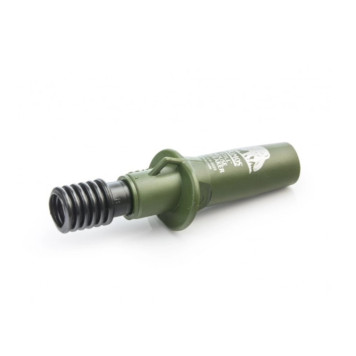
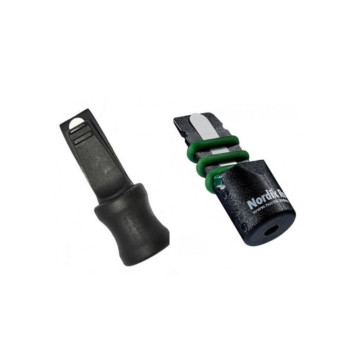
SOLD OUT
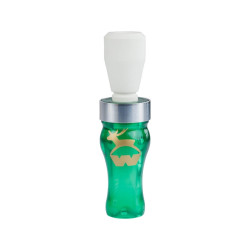
SOLD OUT
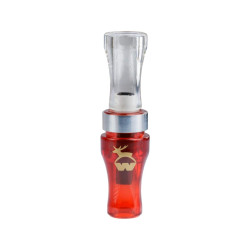
SOLD OUT
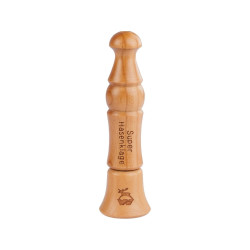
SOLD OUT
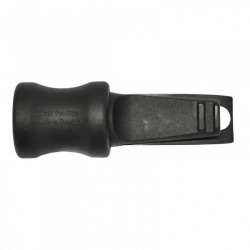
SOLD OUT
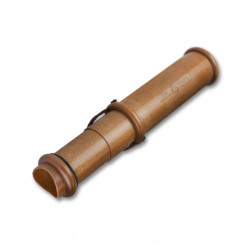
SOLD OUT
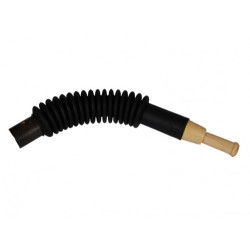
SOLD OUT
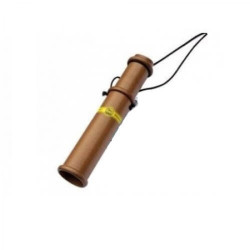
EUROHUNT
Out of stock
Game Call EUROHUNT Weisskirchen Eifelhirschruf For Red Stag (510510)
€99.90
Notify me
SOLD OUT
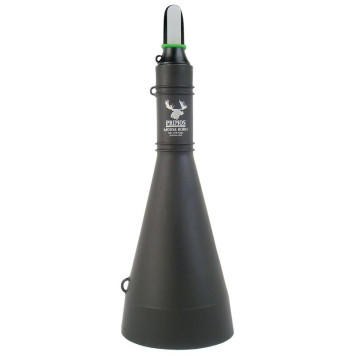
Game Calls
A game call is one of the oldest tools a hunter owns: a well made sound brings the animal to you instead of you crawling to it. This category holds calls and whistles for roe deer, foxes, martens, ducks, geese and moose. The range covers established European makers Hubertus, EUROHUNT Klaus Weisskirchen and NORDIK, with models for the summer rut as well as winter predator hunting over snow.
Why hunters use game calls
A game call imitates either the voice of the animal itself or the sound of its prey, and both trigger a response the animal finds hard to resist. A roe buck in the rut walks toward a doe call, a fox runs to the scream of a hare, and passing ducks turn to the chatter of a feeding flock.
Calling works because it plays on instincts the animal follows every day: territory defense, rutting behaviour and the search for an easy meal. It also solves a practical problem. On wet meadows, in dry crackling forest or on open ground where stalking is hopeless, the call makes the animal cover the distance instead of you. Your job shrinks to picking the right sound, a good position and clean wind, then staying still until the shot presents itself.
Call types by species
The products in this category fall into four working groups: roe deer calls for the rut, predator calls for foxes and martens, waterfowl calls for ducks and geese, and moose calls for the autumn season. Each group has its own sounds and its own calling rhythm, which is why many hunters carry several calls in one pocket.
Roe deer calls
Roe calling is the classic discipline. The category includes the wooden Hubertus Holz whistle, the EUROHUNT Klaus Weisskirchen fawn distress call and the Swedish NORDIK Roe and Pro Roe models. They reproduce the doe fiep, the fawn call and the excitement sound. The best window is the peak of the rut in late July and August, when bucks answer a doe voice even across open fields.
Fox and marten calls
Predator calls imitate prey in distress. Hubertus makes hare and rabbit scream models, EUROHUNT Klaus Weisskirchen offers a hare distress call and a bird distress model that also works on martens, and the NORDIK Predator Mini is a compact open reed call you control with lip pressure. Distress sounds work best in winter, when foxes hunt longer hours and commit hard to an easy meal.
Duck and goose calls
For waterfowl the category carries EUROHUNT Klaus Weisskirchen duck and goose calls. They reproduce the feeding and greeting chatter of a sitting flock, which pulls passing birds toward your decoys or your stretch of shoreline. A duck call is worked in short series, while a goose call keeps up a steady flock noise until the birds swing in and drop their feet.
Moose calls and spare reeds
For moose there is the Hubertus Buttolo Elchtierlocker, a rubber squeeze call that gives the cow sound during the September rut. The category also stocks Wolf Howler spare reed bands, so a worn howler can be brought back to its original tone before the season starts instead of being replaced outright.
How to choose a game call
Choose the call by the species you hunt most and by how much practice you are ready to invest. Fixed tone models give a correct sound from the first squeeze, while open reed calls need training but produce several voices from one instrument. Before buying, run through a short checklist.
- Species and season: a roe buck needs rut sounds in summer, a fox needs prey distress in winter, and waterfowl need flock chatter through the autumn flights.
- Sound control: fixed tone calls such as the Hubertus fawn model work instantly, while the adjustable NORDIK Pro Roe covers doe, fawn and excitement sounds once you learn it.
- Material: wood sounds softer and more natural, while plastic and rubber shrug off rain and frost without changing pitch.
- One hand operation: a Buttolo type squeeze call can be worked with a hand or even a boot, leaving your eyes and rifle free for the shot.
- Spare parts: reed based calls lose tone with moisture, so keep replacement bands such as the Wolf Howler set in your pack.
Field advice that makes calling work
A call only performs when the basics are right: the wind blows from the animal to you, you sit against a dense background and you stay still. The animal marks the exact spot the sound came from and watches it during the whole approach, so movement ruins more calling setups than a bad note ever does.
Give the area ten or fifteen minutes of silence after you arrive. Start quietly, because an animal standing close will bolt at a loud first note. Keep the series short and the pauses long; foxes and roe bucks often come in silently several minutes after you stop. Practice at home until every note comes out clean, and compare your sound with recordings of real animals. In the field keep the call in an inside pocket so cold air and condensation do not shift the tone, and dry it out after a wet day in the blind.
Hubertus, EUROHUNT and NORDIK
The makers in this category have built hunting calls for decades. Hubertus is a German manufacturer whose wooden and rubber calls have served several generations of hunters. The EUROHUNT line is designed by Klaus Weisskirchen, a well known European calling champion who tunes his sounds against recordings of live game. NORDIK from Sweden builds the Roe, Pro Roe and Predator series, valued for tone control and tough weatherproof bodies. All of them are field tools rather than souvenirs, and they hold their tone in rain and frost.
Calling gives the best results when the ground is prepared in advance: hold game in your area with lures and feed and automatic feeders, and set up a comfortable position with hunting stands and blinds. If you are not sure which call suits your hunting grounds, write to us and we will help you pick.