
Ammunition
Ammunition and cartridges for self-defense and hunting-adjacent use: pistol and revolver cartridges, air gun pellets, blank and gas cartridges. Built for hunters, sport shooters and anyone who needs reliable protection in the field or at the farmstead.
SELLIER&BELLOT
In stock
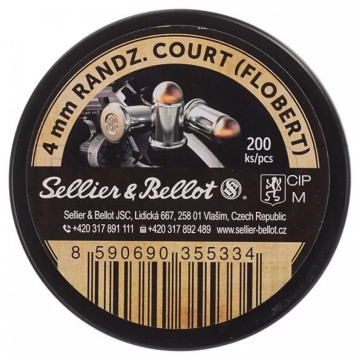
Šoviniai SB kal. 4mm short Flobert rimfire 0.5g/7.7gr (200vnt)
€40.00
Available in store
Ammunition
Hunting rarely stays limited to a rifle and shot on a driven hunt. Walking to the high seat before dawn, guarding a farmstead against stray dogs, or simply wanting a reliable option for an unexpected encounter with a wild boar or an aggressive animal: many hunters carry a secondary firearm with its own ammunition. This section gathers the cartridges and pellets that support hunting from the side, covering self-defense, training, dog work and pest control. Below, we explain what fits which situation.
What you will find in this section
The section covers four directions, from live-round calibers for pistols to training pellets for air guns. Each group answers a different field need, so it helps to know how they differ before you choose.
Pistol and revolver cartridges
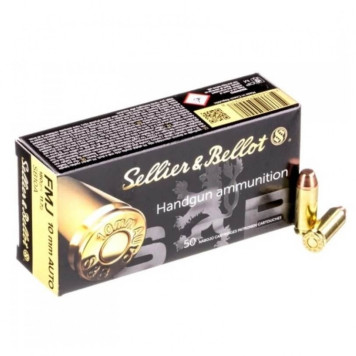
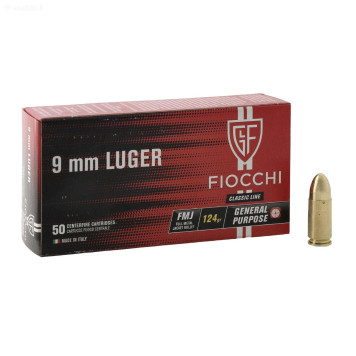
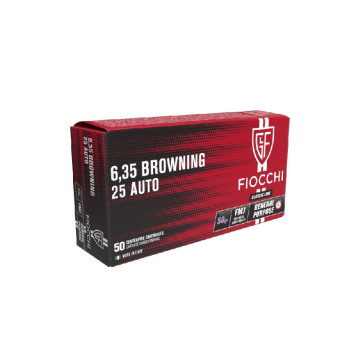
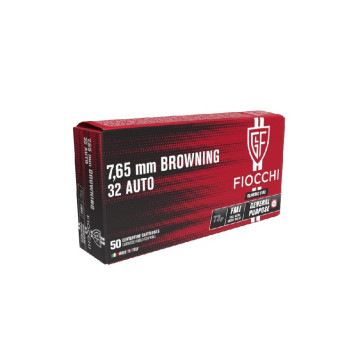
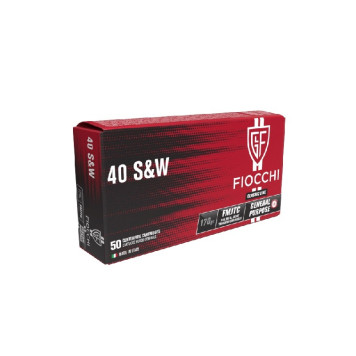
The largest group here, covering cartridges in a range of calibers for handguns, including .45 Auto and 9 mm Makarov type loads. This is the choice for a hunter or farmstead owner who carries a secondary firearm for self-defense in the field, at the high seat, or walking through the forest before sunrise. Before ordering, you need to know the exact caliber of your firearm, since cartridges are not interchangeable and cannot be matched by eye.
Air gun pellets
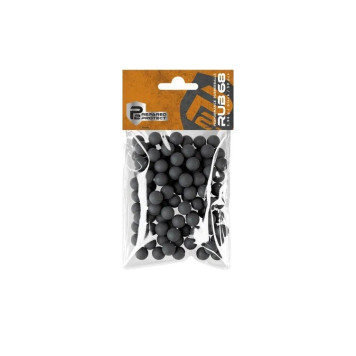
The second-largest group: pellets for air guns, used for scaring off crows and pigeons near sown fields, controlling rats and other pests around the farmstead, and sharpening accuracy before the season. An air gun with the right pellets lets you work quietly, without disturbing neighbors or wildlife nearby. Many hunters keep an air gun at the farmstead year-round, not only in season, because a bird sometimes needs chasing off a fruit tree or a small predator threatens the henhouse, and a live firearm would be excessive for the job.
Blank cartridges
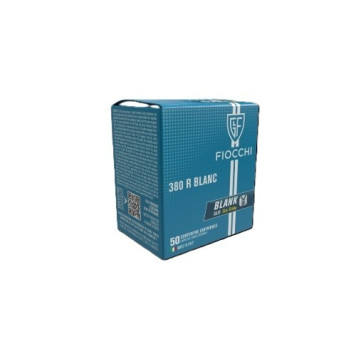
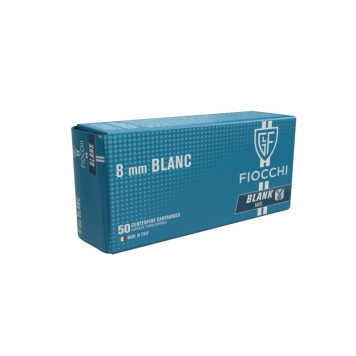
Built for a signal, not for damage: used for dog training (getting a hunting dog used to the sound of a shot), signal shots on a driven hunt, or practice without a bullet. This needs a firearm suited for the purpose, most often already owned by dog handlers and hunters who raise and train hunting dogs from a young age.
Gas cartridges
The smallest but distinct group: pepper gas cartridges for a pistol or revolver. This is a non-lethal self-defense option, suited to situations where you need to drive off an aggressive dog or person rather than stop a large animal. At farmsteads and around hunting camp tents, this is a common extra layer of safety, especially where stray dogs or nighttime visitors are a known issue.
How to choose the right caliber
Caliber is set by the firearm itself, not by preference: every pistol or revolver accepts only one specific size of cartridge, and a mismatch simply means the ammunition will not fit. Before ordering, check the firearm's documentation or the marking on the barrel, which states the exact caliber, for example 9 mm or .45 Auto. If a firearm serves both field self-defense and range practice, it helps to hold stock of both live-round and training-type cartridges, so you are not scrambling mid-season for a missing box. For air gun pellets, caliber matters (most commonly 4.5 mm), but so does weight: lighter pellets suit a fast shot at short range, heavier ones hold a more stable trajectory for aiming further at a pest. If you have any doubt about firearm type or ammunition compatibility, it is better to check before buying than to risk the wrong box.
Storage and transport during the hunt
Ammunition is always kept apart from the firearm, in a locked space out of reach of outsiders and children. This applies at home and at a hunting lodge alike. When driving to the hunting ground, the case holding your cartridges should be firmly closed and should not shift in the boot alongside other gear, so labeling stays intact and packaging stays undamaged. Moisture and sudden temperature swings, common in autumn and winter field conditions, affect both the metal case and powder stability over time, so leftover stock is better kept indoors rather than in a car or tent. Before a longer break in use, it is worth reviewing your stock and checking the expiry and condition marks on the packaging.
When a hunt calls for blank or gas cartridges
These cartridges are used where the goal is to scare off or signal, not to harm. On a driven hunt, a blank shot is sometimes used to move an animal out of thick cover when it does not respond to voice or dogs. When training a young hunting dog, a blank cartridge helps get the animal used to the sound of a shot without any danger, a common practice before its first serious season in the field. A gas cartridge, in turn, is meant for close-range situations, such as an aggressive dog showing up near the farmstead or camp: it stops the threat without causing lethal harm and lets you avoid further confrontation.
When to reach for an air gun instead of a live firearm
An air gun suits situations that call for a quiet, precise, limited-force solution: pest control near a barn, scaring crows off a feeder, or practicing accuracy in a yard where a live shot would be too loud or too risky for neighbors. It is also an accessible way to keep your hand in before the season without heavy spending on ammunition. Many hunters also use an air gun as the first tool for teaching younger family members safe firearm handling, before moving on to a live caliber.
Find self-defense and practice ammunition among the pistol and revolver cartridges, pest control and accuracy training among the air gun pellets, dog work and signaling among the blank cartridges, and close-range protection among the gas cartridges. If you are not sure which caliber or type fits your firearm, write to us and we will help you choose the right one.