
SOLD OUT
OPTICAL DEVICES
This section holds hunting optics: scopes, thermal imaging devices, binoculars, reflex sights, mounts, rangefinders and care products. It helps you pick the right optic for your hunting style, range and light, from a high seat to a driven hunt.
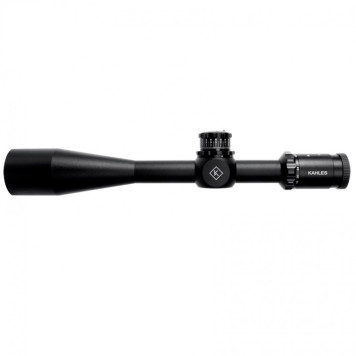
SOLD OUT
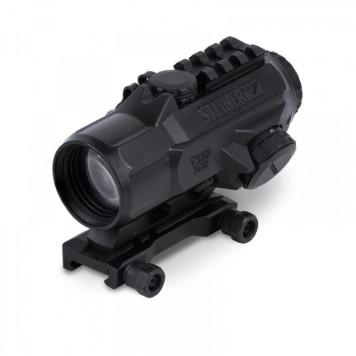
SOLD OUT
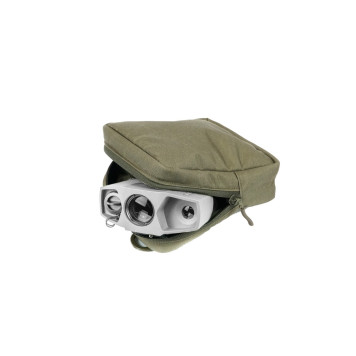
SOLD OUT
SOLD OUT
SOLD OUT
SOLD OUT
SOLD OUT
SOLD OUT
SOLD OUT
SOLD OUT
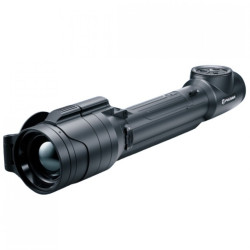
PULSAR
Out of stock
Termovizorinis optinis taikiklis Talion XQ35 Pro su Weaver LQD laikikliu
€2,390.00
Notify me
SOLD OUT
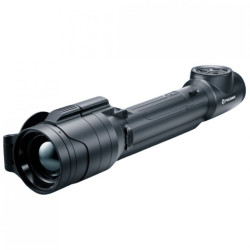
PULSAR
Out of stock
Termovizorinis optinis taikiklis Talion XG35 su weaver U laikikliu
€3,650.00
Notify me
OPTICAL DEVICES
Optics decide one thing on a hunt: whether you see the animal before it sees you, and whether you see the target clearly enough to take a clean shot. In the grey light before sunrise, in the last minutes before dark, or in thick undergrowth, a hunt without the right scope, binoculars or thermal imager often ends with an empty rifle case. This section holds the optics you carry into a high seat, onto a stalk, or into a driven hunt: scopes, thermal devices, binoculars, mounts and the small parts that keep them working.
What you will find in this section
The section groups every piece of glass and electronics between spotting an animal and taking the shot, and each group answers a different moment in the hunt, so it helps to know which one fits which situation.
Optical scopes
Optical scopes form the largest group here: some built for driven hunts with a wide field of view for a fast-moving target, others built for stand hunting with higher magnification for a long shot across a field or forest edge. Beyond magnification, look at how much light the scope gathers at dusk, when most animals actually show themselves.
Thermal imaging devices
Thermal imaging devices read heat rather than light, so they work in full darkness, in fog, or in dense brush where a normal scope shows nothing. Hunters use them for night hunting on wild boar, for tracking a hit animal after the shot, or simply for watching a field from a high seat when a shape in the dark could be an animal or a shadow.
Binoculars
Binoculars stay the first tool for scanning a field or a slope before you decide where to point a rifle, letting you watch calmly for a long stretch without raising a weapon. A good matched image and a wide field of view help you find an animal faster in a moving herd.
Scope mounts
Scope mounts connect the scope to the rifle, and the mount decides whether your zero holds after you have carried the gun through wet terrain and taken a shot from an awkward position. A loose or wrong-height mount can shift point of impact after a handful of shots.
Reflex sights
Reflex sights suit a close, fast shot. On a driven hunt or firing from the hand at a running animal, they let you aim with both eyes open, without losing a second to adjusting magnification.
How to choose a scope or binoculars for your hunting style
The choice comes down to the distance and light you hunt in most often: a driven hunt calls for a wide field of view and low magnification, while stand hunting or hunting across open fields rewards higher magnification and stronger light gathering at dusk.
If you mostly hunt driven hunts, choose a scope with low magnification at the bottom of its range so you do not lose the animal as it crosses a track. If you sit in a high seat waiting for a boar to enter a field, higher magnification and a larger objective lens earn their keep in the last half hour before dark, when light is short. The same logic applies to binoculars: a compact pair suits a day of walking, while a larger objective diameter is easier on the eye during a long watch from one spot.
Thermal imager, night vision device or rangefinder
These three devices do three different jobs, and many hunters end up needing more than one. A thermal imager shows heat in the dark, a night vision device amplifies existing light, and a rangefinder simply tells you the distance before you shoot.
Night vision devices use moonlight or starlight and need at least a little ambient light to work, while thermal imaging devices work in complete darkness or fog because they read heat, not light. Rangefinders do not show the animal any better, but they give you an exact distance, which matters when a shot crosses open ground and the eye can misjudge it by tens of metres.
Mounting, zeroing and small accessories
A new scope or reflex sight becomes accurate only after it is mounted correctly and zeroed to a specific rifle, so the mount and the small mounting parts matter as much as the scope itself.
Pick a mount that matches your rifle system and the tube diameter of your scope, and zero it at the range before you take it into the forest. Scope accessories such as lens caps, rain and sun covers, and straps look minor, but in the field, when rain sets in or a branch catches the side of the scope, they keep the lens from scratches and moisture. Binocular accessories and illuminated sights round out the main optic for a specific weapon or hunting situation.
Field care for optics
Optics usually fail from moisture, knocks and poor cleaning rather than from age, so a few care products in your bag extend a device's working life more than any extra magnification would.
Clean lenses only with a cloth made for the job, never a sleeve or a paper tissue, which leaves fine scratches. After a wet or snowy day, let the device dry at room temperature before you put it back in its case, so moisture does not build up inside. Battery care matters just as much for thermal and night vision devices. Batteries drain faster in the cold, and a spare one often decides whether the device still works by the end of a winter hunt.
If you are not sure which scope or binoculars suit your rifle and your style of hunting, write to us and we will help you choose from our optical scopes, binoculars, thermal imaging devices and reflex sights.