
Optical scopes
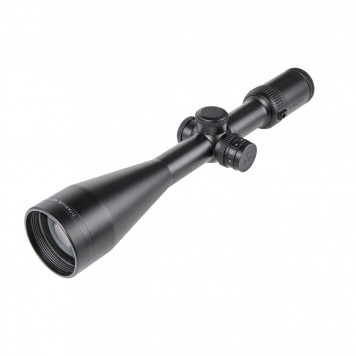
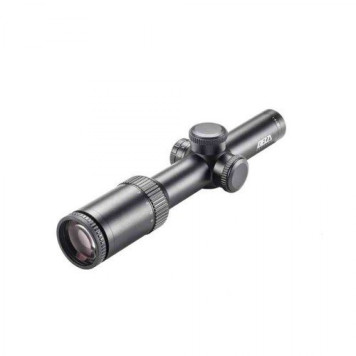
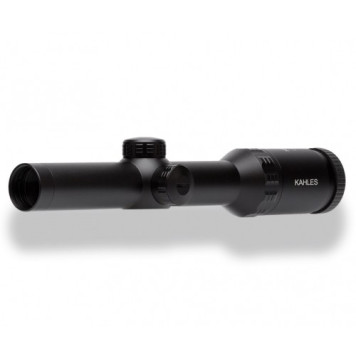
Riflescopes for hunting and shooting - Kahles Helia and K-series plus Delta Optical Titanium models with variable magnification, different reticles and focal planes, built for still-hunting from a high seat and for fast driven hunts alike.
SWAROVSKI
In stock
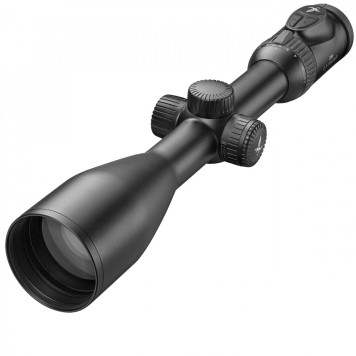
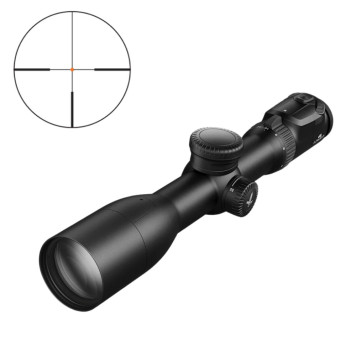
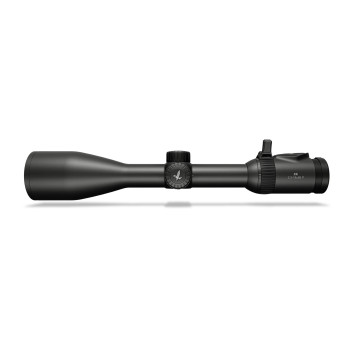
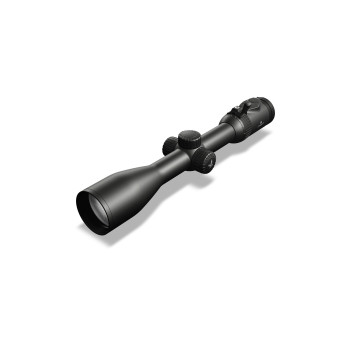
Riflescope SWAROVSKI Z8i 2-16x50 II P SR 4A-I Z8-A50U8E09-01
From €7,700.00
Choose an option
NEW
SOLD OUT
SOLD OUT
SOLD OUT
SOLD OUT
Optical scopes
A riflescope is the second most important piece of gear after the rifle itself. It decides whether you spot the animal at dusk, judge distance correctly on a driven hunt, or sit comfortably watching a clearing from a high seat for hours. This section carries Kahles and Delta Optical scopes built for different hunting situations, from close, fast driven shots to precise long-range work.
What a riflescope does for a hunter
A riflescope helps you spot game quickly, aim precisely and take the shot with confidence even in poor light. It replaces plain iron sights with a magnified, brighter image and a reticle that marks the exact aiming point. Watching from a high seat or near a feeding site, a good scope lets you make out an animal from far away, while on a driven hunt it helps you find a moving target fast at close range.
Magnification range and why it matters
Variable magnification scopes are more versatile than fixed models because they let you match the setting to the situation, from a wide field of view to precise long-range aiming. The range carries both wide-ratio models suited to driven hunts and stand hunting, and specialized scopes built for shooting at very long distances.
The Kahles Helia 1-6x24 or the Kahles K 18i 1-8x24, with a low minimum magnification, work well on driven hunts in dense forest where you need to react fast to an animal that appears close. The Kahles K525i 5-25x56 or the Kahles Moak K1050i 10-50x56, with a higher top magnification, suit long-range shooting in open ground, where precision and a clear view of a distant target matter most.
Scope types by hunting situation
All-round hunting scopes
Scopes such as the Delta Optical Titanium 2.5-15x56 HD SF or the Kahles Helia 2.4-12x56i cover a mid magnification range and suit most hunting situations, from a high seat to still-hunting on foot. A larger 56 mm objective lens passes more light, so the image stays bright at dusk.
Compact scopes for driven hunts
Models with a low minimum magnification, such as the Kahles Helia 5 1-5x24i or the Kahles Helia 1.6-8x42i, give a wide field of view to find a target fast when an animal appears close and without warning. Hunters running driven hunts with dogs or beaters favor this kind of scope.
Scopes for long-range precision shooting
The Kahles K525i CCW and K328i CW series, with higher top magnification and a steep reticle, suit shooters aiming at targets over long distances who need to account for bullet drop and wind. These models usually carry adjustable turrets for fast distance corrections.
Optics with specialized reticles
Models with SKMR4 or MSR2 reticles carry extra hash marks for distance and wind corrections, so they suit shooters who regularly shoot at varying distances and want to adjust their aiming point fast, without extra field calculations.
How to choose a riflescope
A few factors are worth weighing before you choose a riflescope:
- The distance you shoot most often, short range on a driven hunt or long range in open country.
- The light conditions where you hunt, and how often you hunt at dusk or near dark.
- Whether you need a wide field of view for fast reaction or higher magnification for precise aiming.
- Which reticle type suits you, a plain crosshair or one with extra distance marks.
- Whether the scope will stay mounted on one rifle permanently or move between different guns.
Objective lens diameter drives how much light reaches your eye. A 50-56 mm objective passes more light than a narrower one, so the image stays brighter in the early morning and evening hours, when game is usually most active.
Focal plane and reticle
Second focal plane scopes (SFP) keep the reticle the same size across the whole magnification range, so it stays thin and stays out of the way of the image at any setting. It is the most common choice in hunting optics. First focal plane scopes (FFP), by contrast, scale the reticle with magnification, so distance marks stay accurate across the full range. This matters for shooters who range targets using the reticle at different magnification settings.
Practical field advice
Before heading into the forest, check that the scope sits firmly in its mount and that the point of impact has not shifted during transport. In cold weather, give the scope time to adjust to the outside temperature so the lenses do not fog. In rain or damp air, keep the lens caps on when the scope is not in use, and wipe the lenses with a soft cloth after the hunt.
On a driven hunt, where you have seconds to react, keep the scope set at its lowest magnification, that way you find the animal in the field of view fastest and do not miss the moment to shoot. Watching from a high seat, you can adjust magnification freely, since you have time to observe and judge distance before taking the shot. In damp or foggy weather, game is often spotted later than usual, so a bright scope with strong light transmission can decide whether you get a shot at all.
Mounting and care
A scope only performs as well as the mount holding it, so pick a mount that matches the scope's tube diameter and your rifle's mounting system. After mounting, zero the scope at the range with more than one shot, checking that the point of impact stays stable across magnification settings. Protect the scope from knocks during transport, since a small impact can shift the reticle and throw off accuracy on your next trip out.
Kahles and Delta Optical, the brands in this section
Kahles is an Austrian scope maker known for high optical quality and reliable mechanisms. The range here includes the Helia series for general hunting use, the K525i and K328i series for precise long-range shooting, and the Moak K1050i for shooters who need very high magnification. Delta Optical's Titanium series offers similar functionality with HD lenses and a stable reticle, aimed at hunters who want a dependable scope without top-tier pricing.
Pick a mount to match your scope, see scope mounts and scope accessories. If you hunt at dusk or after dark, it is worth looking at night vision devices, and for close-range shooting consider reflex sights. If you are unsure which model fits your style of hunting, write to us and we will help you pick the right scope.