
SOLD OUT
Trail cameras
Trail cameras for hunting grounds: 4G cellular models with SIM support, WiFi cameras, solar panels, batteries and memory cards. The category holds Reolink and UOVision cameras plus CSB, ADATA, Kingston and Panasonic power and storage accessories for round-the-clock monitoring of feeders and game trails.
SOLD OUT
SOLD OUT
SOLD OUT
SOLD OUT
SOLD OUT
SOLD OUT
SOLD OUT
SOLD OUT
SOLD OUT
SOLD OUT
SOLD OUT
Trail cameras
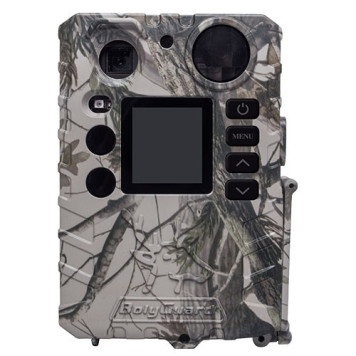
A trail camera works while you sit at home. It records when wild boar arrive at the feeder, which trail the deer use and if a wolf has entered your grounds. This category holds 4G and WiFi cameras, solar panels, batteries, cells and memory cards. Most of the range is Reolink, joined by a UOVision live-stream model and power accessories from CSB and Panasonic.
What trail cameras are for
Trail cameras let a hunter learn the grounds without living in them. A camera at a feeder or on a game trail shows which animals visit, at what hour and how often. With that record you plan a night in the high seat on facts, not guesses. Photos and clips go straight to your phone, so daily checks of the grounds stop being necessary.
The uses reach past the hunt itself. Club grounds need feeder monitoring, a record of strangers moving through, and an eye on the hunting cabin. In winter you see if feed is still out and drive in only when a refill is due. For selective hunting, a game camera helps you judge an animal's age and trophy quality before you ever raise the rifle.
Camera types in this category
Four main types sit in this category: 4G cellular cameras for forest spots with no internet, WiFi cameras for the cabin or farmstead, solar-powered setups for months of unattended work, and a live-stream camera from UOVision. Around them you will find the power sources and memory cards that keep a setup running.
4G cellular cameras
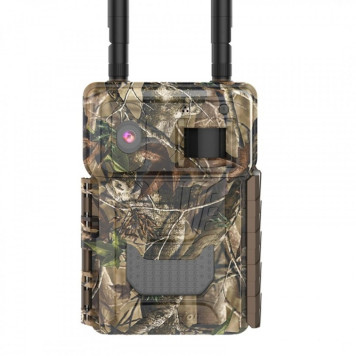
Deep in the forest, with no mains power and no WiFi, the 4G models do the work: Reolink Go 4G, Go G330, Go G450 4K and Go Plus. Insert a mobile SIM and the camera sends footage to the app on your phone. The G450 records in 4K, sharp enough to count tines rather than guess at a silhouette. The G330 and Go Plus also come in camo versions that blend into a tree trunk.
WiFi cameras
Where a home network reaches, the cheaper WiFi models fit: Reolink E1 3MP and RLC-510WA 5MP. They suit a hunting cabin, a farmstead at the forest edge or a yard that wild animals visit. The E1 is a pan-tilt indoor unit, while the RLC-510WA is a tougher outdoor camera with 5MP resolution.
Solar-powered setups
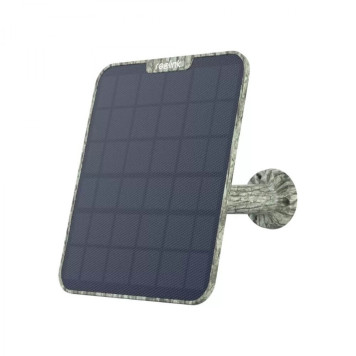
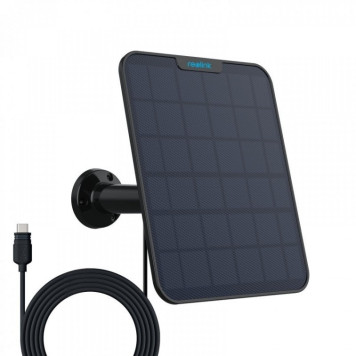
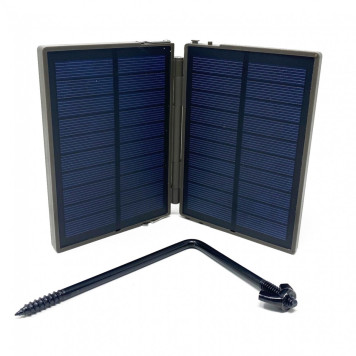
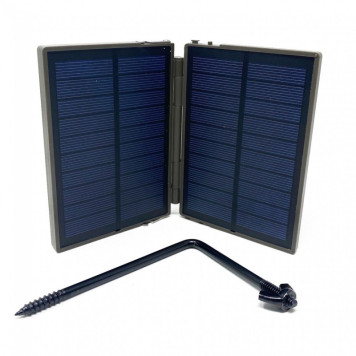
The usual failure of an autonomous camera is a flat battery at the worst possible moment. The Reolink Go G450 ships with a solar panel, and separate Reolink Solar Panel 2 units (black and camo, Type-C plug) fit the other Go series models. Hung in a sunlit spot, the panel keeps the camera charged for months on end.
Live-stream cameras
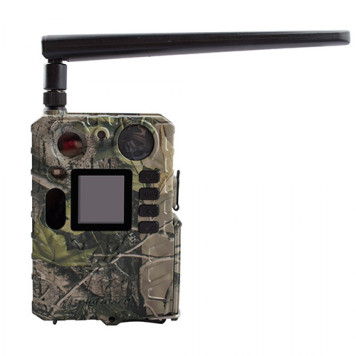
The UOVision Live Stream PRO broadcasts live video. It is the answer when you want to watch the feeder in real time before driving out, not browse photos after the fact. In the evening you check the phone, see the boar already standing at the feed, and only then climb into the high seat.
Power and memory
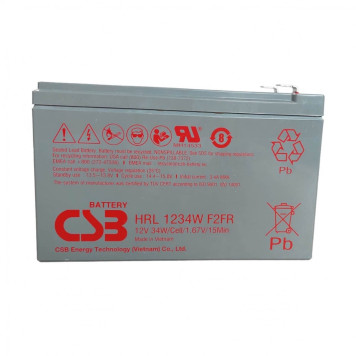
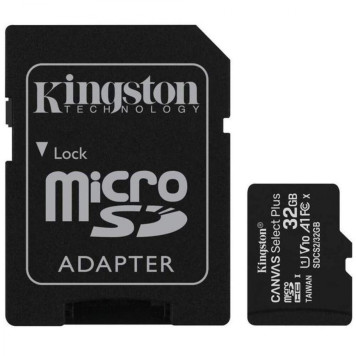
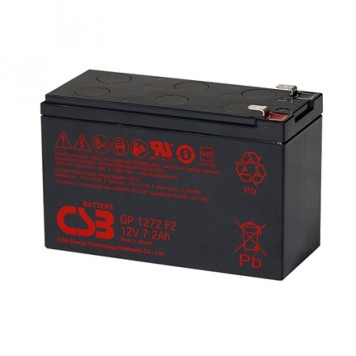
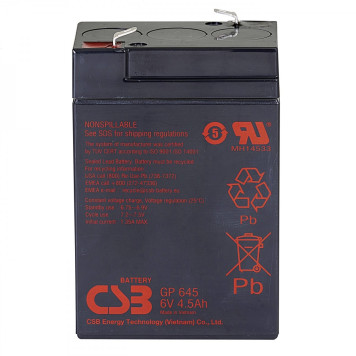
A camera with no charge and no storage records nothing. The category stocks CSB lead-acid batteries (6V 12Ah, 12V 7.2Ah, 12V 9Ah), the Reolink 4G Bullet battery, Panasonic CR2 cells and 32GB ADATA and Kingston memory cards with SD adapters. Keep a spare card and a charged battery in the truck so a swap in the forest takes a minute.
How to choose a trail camera
The right camera depends on the spot where it will hang. Start with signal coverage and how often you can drive out to service the unit, then decide on resolution, body colour and accessories. Work through these points:
- Connection. Forest with no internet calls for a 4G camera with a SIM card. A WiFi model only fits where the home network reaches.
- Power. For distant grounds, pick a model with a solar panel or add a Solar Panel 2 unit. A high-capacity CSB battery suits a spot you rarely visit.
- Resolution. Counting game needs only 3 or 5 MP; judging a trophy is easier from 4K footage that shows antler structure.
- Colour. Against a tree trunk, a camo body draws less attention from game and from passing people.
- Pre-season test. Check mobile signal with your phone at the exact tree where the camera will hang before buying a SIM plan.
Field tips for placing a camera
Placement decides more than specifications. Hang the camera at chest height on a solid trunk and point the lens north, so a rising or setting sun does not shine into it and fire false triggers. Before leaving, walk through the detection zone yourself and check the frame on your phone.
Trim branches and grass in front of the motion sensor: one twig swaying in the wind will fill the card with hundreds of empty frames overnight and drain the battery. At a feeder, mount the camera a few metres back rather than right over the feed, so the whole sounder fits in the frame. Battery capacity drops in frost, so fit a freshly charged pack before winter or connect a solar panel. Format the card in the camera itself, not on a computer, and recording errors stay away.
Brands
Reolink carries the core of the category, from WiFi units to 4G cameras with 4K resolution and solar charging. UOVision covers live streaming with the Live Stream PRO. CSB batteries and Panasonic cells handle power, ADATA and Kingston cards handle storage. Every accessory here matches the cameras sold alongside it.
For a hunter, the Go series has one practical advantage: every model runs through the same app, so the feeder camera and the cabin yard sit in one account on one screen. UOVision is a long-standing trail camera maker, and its Live Stream PRO targets those who want a live picture rather than a stack of photos after the event.
A trail camera earns the most next to the rest of your ground-management gear: automatic feeders, lures and feed, game calls and hunting stands and blinds. If you are not sure which model fits your grounds, write to us and we will help you pick.