
SOLD OUT
Rifles
Rifles for hunting larger game, grouped by manufacturer: Browning, Winchester, Sig Sauer, Steyr Arms, Blaser, Tikka and more. Compare calibers, barrel lengths and action types for your style of hunting.
SOLD OUT
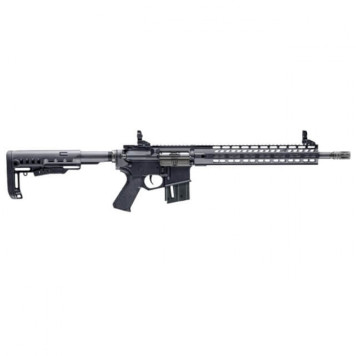
HAMMERLI
Out of stock
Graižtvinis pusautomatis HAMMERLI TAC R1 22 C kal.22LR
€590.00
Available in store
SOLD OUT
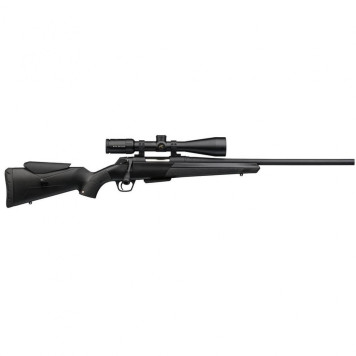
WINCHESTER
Out of stock
Graižtvinis šautuvas Winchester XPR Varmint ADJ,NS,SM,ThrM14x1, 223Rem 1:8" 53
€989.00
Available in store
SOLD OUT
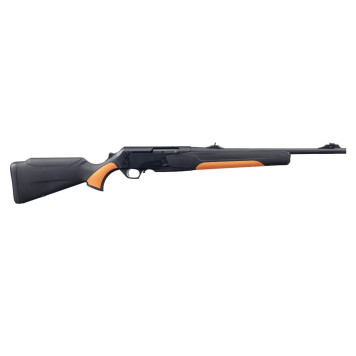
BROWNING
Out of stock
Pusautomatis Browning Bar 4X Action Tracks Thr,S,DBM 308Win (031BM010218)
€2,095.00
Available in store
SOLD OUT
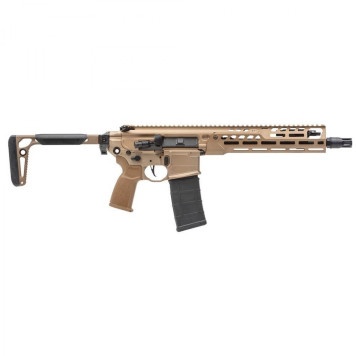
SIG SAUER
Out of stock
Graižtvinis SIG SAUER MCX-Spear LT RMCX-556N-11B-LT-SBR kal.5,56 Nato
€3,695.00
Available in store
SOLD OUT
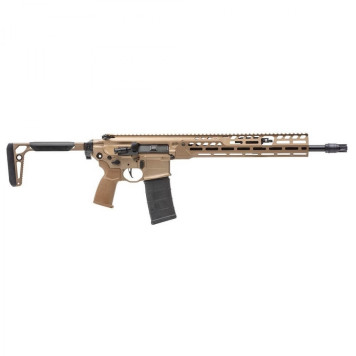
SIG SAUER
Out of stock
Graižtvinis šautuvas SIG SAUER MCX-Spear LT RMCX-556N-16B-LT kal.5,56 Nato
€3,695.00
Available in store
SOLD OUT
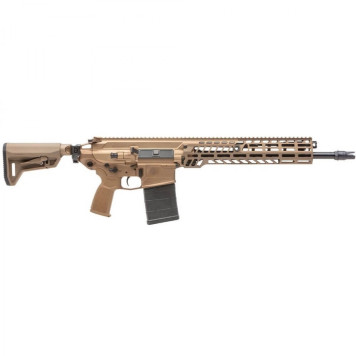
SIG SAUER
Out of stock
Graižtvinis SIG SAUER MCX-Spear LT RSPEAR-762-16B kal.7,62 Nato
€6,500.00
Available in store
SOLD OUT
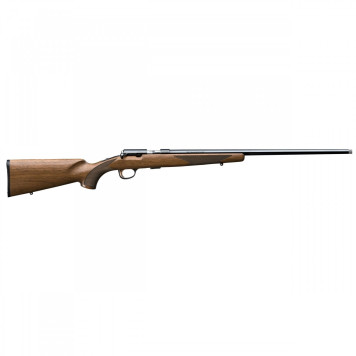
BROWNING
Out of stock
Graižtvinis BROWNING T-BOLT Sporter Thr,NS,SM kal. 22LR (025199202)
€895.00
Available in store
SOLD OUT
BROWNING
Out of stock
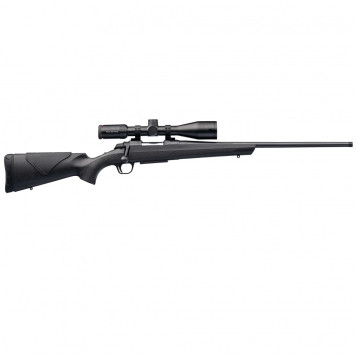
Graižtvinis BROWNING A-BOLT 3+ COMPO Thr,SM,NS, 30-06Spr (035838226)
€950.00
Notify me
SOLD OUT
Rifles
A rifle is the main tool for hunting larger game – wild boar, red deer, roe deer or moose. This section groups rifles by manufacturer, from Browning and Winchester production models to Blaser straight-pull systems. Each brand offers a different balance of weight, caliber and barrel length, so the right choice depends on how you hunt: a still sit in a high seat, tracking wounded game through a bog, or a driven hunt with dogs.
What you will find in this section
The section holds 116 rifles grouped by manufacturer, from wide-range production lines to pricier precision systems. Each brand carries its own action type, reliability record and price band, so the sensible way to choose is by hunting method and target species rather than by name alone.
Browning
Browning is the largest group here, with X-Bolt bolt-action rifles and BAR semi-automatics. The X-Bolt suits a quiet, precise shot at range from a high seat, while the BAR semi-automatic works well on a driven hunt, when game appears briefly and a second shot has to come fast.
Winchester
Winchester XPR rifles come in several stock configurations, from a standard thumbhole grip to an adjustable buttstock. They stay balanced and comfortable through long cold hours in a high seat, and the grip holds well even with gloves on.
Sig Sauer
Sig Sauer M400 models suit shooters who want an AR-style platform with modular mounting for optics and accessories, while the Cross in 6.5 Creedmoor fits a long shot across open ground, where a flat trajectory matters most.
Steyr Arms
Steyr Arms SM12 and CL II rifles come with longer barrels and heavier calibers such as 300 WSM or 9.3x62. Those calibers suit large game – boar or moose – where stopping power at close to medium range counts more than reach.
Blaser
Blaser R8 rifles use a straight-pull action with no bolt rotation, so a follow-up shot loads faster and quieter than a standard bolt-action design. That matters when game is already close and every extra second of noise works against you.
Tikka
Tikka T3X rifles are known as light, accurate production guns, suited both to a first rifle and to a long day of still-hunting through wet fields or forest, when every kilogram on your shoulder starts to add up.
How to choose a caliber for your type of hunt
Caliber depends on the size of the game and the range you shoot at most often. Smaller calibers such as .223 Rem suit smaller game and pest control, while 308 Win, 30-06 or 9.3x62 suit large game – boar, moose, red deer.
If you hunt from a high seat at short range, weight and barrel length matter less than they do when stalking open ground, where a longer barrel gives a higher muzzle velocity and a flatter trajectory. On a driven hunt a shorter barrel usually works better, since it swings faster between trees and lets you shift aim quickly.
Barrel length, weight and carrying it all day
A long day with a rifle on your shoulder changes how weight feels – a lighter rifle tires you less walking through a bog or thick cover, but it often costs you in felt recoil. Heavier rifles with a thicker barrel dampen recoil better and hold the sight picture steadier after the shot, which suits anyone who shoots often or plans on a fast follow-up.
Barrel length also affects sound. A shorter barrel paired with a suppressor is often more comfortable in dense forest, while a longer barrel in open country lets a given caliber reach its full potential.
Mounting optics and staying accurate in the field
Most rifles in this section use a standard optic mount, so the choice of scope depends on hunting conditions rather than the rifle itself. In low light or dense forest, light transmission matters more than magnification, while open ground at long range rewards a precise magnification setting and a clear aiming point.
Before you buy, check that the model you want takes the mount system your current or planned scope uses – it saves time when fitting and zeroing later.
Maintenance in wet and cold conditions
Autumn and winter hunting means moisture, mud and sharp temperature swings that all affect how the action runs. After every trip, dry the rifle, check the bore and oil the moving parts so the mechanism does not stick at the wrong moment.
Bolt-action rifles generally handle dirt better than semi-automatics, since they have fewer moving parts where grit can build up. If you hunt often in wet ground – bogs, near water – that is worth weighing when choosing between Browning BAR and X-Bolt actions.
Metal parts, the action in particular, pick up moisture fastest. Back from the forest or the marsh, wipe the rifle dry first and only then oil it – oil on a damp surface pulls in dirt and grit that wear down the bore over time. Check the stock too – a wooden stock can swell from moisture and shift point of impact by the next season.
Transport and storage between hunts
Between seasons and between trips, a rifle needs a dry, secure spot, and in the car it needs to sit firmly so it does not shift on a rough forest track. A hard case protects the scope and barrel from knocks, while a soft case guards against scratches on the daily walk from car to high seat.
For longer storage, avoid sharp temperature swings in the room – they cause condensation on metal even inside a locked safe. Before a new season, check your zero again, since transport and time can shift it slightly.
The section also holds smaller manufacturer groups – CZ, Voere, Hammerli, Sauer and Mauser – each with a handful of specific models. If you are not sure which caliber or action suits your kind of hunting, write to us – we can help you pick a rifle based on the game, terrain and conditions you hunt in most.